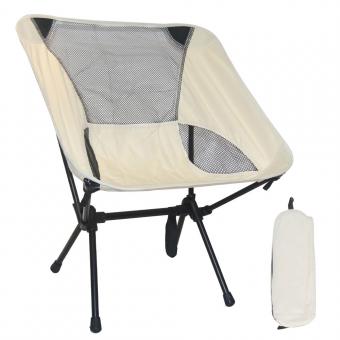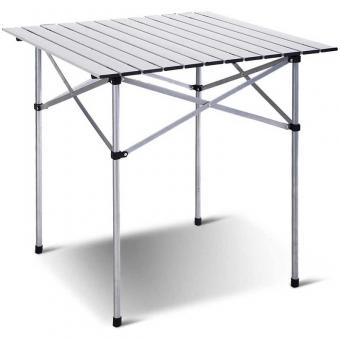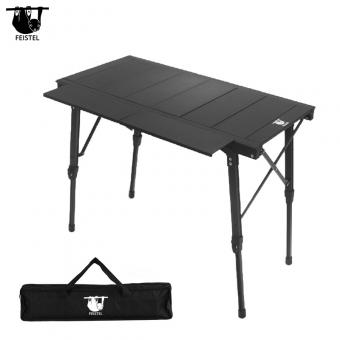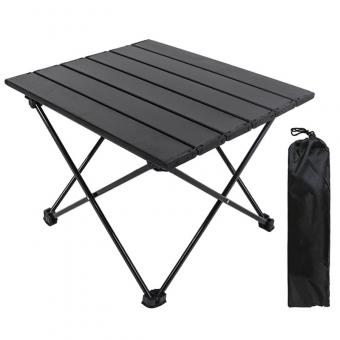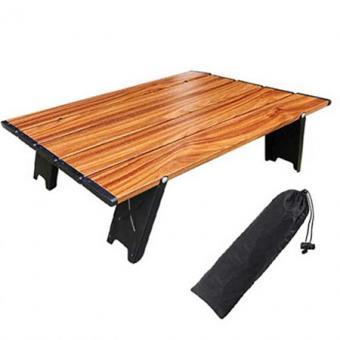
軽量小型屋外折りたたみピクニックテーブル
ブランド:安徽省FEISTEL FACTORY 関連製造: OEM & ODM 商品名:アウトドアに最適な軽量、小型、折りたたみ可能なピクニックテーブル。耐久性のある素材で作られており、持ち運びが簡単で、セットアップも簡単です。
ニール私たちのウェブサイトへようこそ!
もっと詳しく知る
想像してみてください。あなたは数ヶ月かけて完璧な家族キャンプ旅行を計画しました。キャンプ場に到着し、テントを設営し、心地よい夜を過ごそうとしています。すると、雲が立ち込め、風が強くなり、雨が降り始めます。数時間後、テントの縫い目から水滴がゆっくりと染み込んでくるのがわかります。寝袋は湿り始め、子供たちは落ち着きをなくします。綿密に計画した休暇は、びしょ濡れの惨事へと変わってしまうのです。
この状況は毎年キャンプ場で起こり、その原因はほぼ必ず2つのうちのどちらかです。耐水圧性能の不足、または継ぎ目の密閉不良です。雨天時にキャンプをする場合、これらの技術仕様が実際にどのような性能を発揮するのかを理解しておくことは、快適で乾燥した滞在になるか、それとも雨の中で惨めな夜を過ごすかの分かれ目となります。
このガイドでは、マーケティング用語を分かりやすく解説し、4人用テントにおける耐水圧とシームテープ加工の意味を具体的に説明します。これにより、天候が悪化した際に家族を雨から守る最適なテント選びをサポートします。
耐水圧は、テントの防水性能を示す業界における主要な指標です。しかし、600mm、3000mm、5000mmといった数値は、実際の雨の中でテントがどれだけの性能を発揮するかについて、一体何を教えてくれるのでしょうか?
テントの防水性能はミリメートル単位で測定され、生地が浸水する前に耐えられる水柱の高さを表します。 この試験では、布地のサンプルを水を入れたチューブの下に置き、布地から水が漏れ始めるまでに水柱がどれだけ上昇できるかを測定します。3000mmという評価は、布地が3000ミリメートル(約9.8フィート)の水柱に24時間以上耐え、水漏れしないことを意味します。 。
英国国防省は、耐水圧800mm以上の生地を防水性生地として分類している。 しかし、長時間の雨の中でも安心してキャンプを楽しむには、より高い評価が不可欠です。さまざまな評価を比較してみましょう。
評価
パフォーマンスレベル
適している
600~1500mm
小雨対策
晴天時のキャンプ、乾燥した気候
2000~3000mm
中程度から激しい雨
三季対応キャンプ、週末旅行
4000~5000mm
大雨と嵐
長期旅行、露出した場所
5000mm以上
異常気象
高山地帯の気候、通年キャンプ可能
600~1000mm:基本的な保護
コールマン サンドーム 4 のような、耐水圧 600mm のテント
最低限の防水性能しかありません。技術的には防水と分類されていますが、これらの評価は乾燥した状態やごく小雨程度に最適です。長時間の雨では、生地が徐々に飽和して水漏れを起こします。
2000mm:しっかりとした中程度の保護性能
Robens Venturer 4 LWに搭載されているような2000mmの耐水圧は、一般的な3シーズンキャンプにおいて信頼できる保護性能を発揮します。
このレベルは、中程度の降雨量や時折の豪雨にも問題なく対応します。Venturer 4 LWは、2000mmのフライシートと頑丈な5000mmのフロアを組み合わせることで、地面の湿気が最も問題となる場所での保護を確保します。
。
3000mm:雨天時のキャンプに最適な降水量
雨天時に頻繁にキャンプをする家族にとって、3000mmの耐水圧は信頼できる保護性能の最低基準として広く認識されている。
このレベルのテントとしては、Trail Bracken 4 Man Festival Tent などがあります。
またはコールマンクック4
長時間の雨、風による湿気、さらには軽度の水たまりにも自信を持って対応します。
トレイルブラッケンの3000mmフライシートは、二重構造とシームテープ加工により、メーカーが「優れた防水性能」と呼ぶ性能を発揮し、「土砂降りの雨でもキャンプ旅行が台無しになる心配はない」と謳っています。 。
4000~5000mm:長期にわたる気象信頼度
家族で長期旅行を計画している場合や、風雨にさらされる山岳地帯や雨の多い地域でキャンプをする場合、4000~5000mmの耐水圧は安心感を高めてくれます。コールマン ベイル4ロングは、4000mmの耐水圧を備えています。
一方、Brazen Inflatable Air Tent 4 Manは最大耐水圧5000mmで、特に「大雨の中でもテント内をドライに保ち、一年中キャンプに最適」な設計となっています。
。
耐水圧5000mmのテントでも、縫い目がきちんと密閉されていなければ水漏れする可能性があります。ここでは、縫い目が重要な理由と、さまざまな縫い目処理が実際にどのような効果をもたらすのかを解説します。
テントの縫い目一つ一つが針穴、つまり防水生地に小さな穴を開けることになる。 一般的なテントには、縫い目に沿って何千もの微細な開口部があります。保護されていないと、雨天時に水は毛細管現象を利用してこれらの開口部から内部に浸入します。 。
メーカーはこの脆弱性に対処するために主に2つの方法を用いており、その違いを理解することで、実際に何を入手しているのかを評価するのに役立ちます。
シームテープ これは工場で行われる工程で、縫い目にポリウレタンフィルムを貼って、針穴から水が浸入するのを防ぐものです。 特殊な機械が熱と圧力を加えてテープを生地に接着し、永久的な防水バリアを形成します。適切に施工されたテープは、肉眼ではほとんど見えません。 。
例えば、Robens Venturer 4 LWは、「テープ処理された縫い目」を重要な特徴として挙げています。 この工場出荷時の加工により、テントは追加作業なしで雨天時にも使用できる状態で届きます。
継ぎ目シーリング 継ぎ目に液体シーラント(実質的には接着剤の層)を塗布する作業です。 これは工場で行うことも、ユーザーがメンテナンスとして行うことも可能です。シームシーラントが縫い目の穴に浸透し、時間とともに硬化する防水バリアを形成します。 。
シリコンコーティングされた生地で作られたテントの中には、表面が滑りやすいため、工場で縫い目をテープで処理できないものがある。 このような場合、工場での継ぎ目シーリング、またはユーザーによるシーリング剤の塗布が必要です。
雨天時のキャンプ用4人用テントを評価する際:
縫い目は完全にテープで補強されています フライシートやフロアを含む主要な縫い目はすべて工場でシーリング処理されていることを示しています。これは防水構造における最高水準です。
重要な箇所にテープ処理を施した縫い目 これは、最も脆弱な縫い目(通常はフライシート)のみにテープ処理を施し、その他の縫い目は未処理のままにすることを意味します。晴天時のキャンプには適していますが、長時間の雨には信頼性が低くなります。
継ぎ目のシーリングが必要です つまり、テントにはシーラントと説明書が付属しており、使用前にご自身で塗布する必要があるということです。
Trail Bracken 4は、雨天対策の一環として「耐久性のあるシームテープ加工」を採用していると明記している。 一方、コールマン・サンドーム4の仕様には「テープ処理された縫い目」と記載されている。 。
耐水圧とシームテープ加工は重要ですが、それだけでは十分ではありません。真に悪天候に対応できる4人用テントは、複数の保護要素を兼ね備えています。
高品質の雨天用テントの床は、側面から数インチ上まで伸びており、これは「バスタブ型床」と呼ばれるデザインである。 この継ぎ目のないボウル状の構造は、床の継ぎ目から水が浸入するのを防ぎ、凹凸のある地面や湿った地面でも水たまりが内部に溜まるのを防ぎます。 。
Robens Venturer 4 LWは、このアプローチを体現しており、床面の耐水圧は5000mm(フライシートの耐水圧2000mmよりもかなり高い)で、地面からの湿気から保護します。 。
ファスナーは水の浸入に対して自然な弱点である 。 高品質のテント レインフラップ(ジッパーを覆う保護布カバー)を備えており、ジッパーを雨の直接的な影響から守ります。防水ジッパーと組み合わせることで、この機能は豪雨時の水漏れを大幅に軽減します。 。
フライシートとインナーテントが別々になっている二重構造のテントは、優れた防水性を発揮します。外側の層は水をはじき、内側の層は通気性と結露対策を提供します。Trail Bracken 4は、「防水性を高めるための二重構造」と明記されています。 。
雨天時には、しばしば風が伴います。風で揺れたりばたついたりするテントは縫い目に負担がかかり、水の浸入を招く可能性があります。ねじれ安定性を向上させるために、あらかじめガイラインが取り付けられているテントを探しましょう。 Brazen Air Tentは、高度なガイラインシステムを採用しており、「各ガイラインが複数のポイントに接続され、究極のねじれ安定性を実現」しています。 。
上記で説明した仕様と現実的な考慮事項に基づき、雨天時にキャンプをする家族連れにおすすめの4つの選択肢をご紹介します。
|
テントモデル
|
静水圧ヘッド
|
シーム構造
|
主な機能
|
最適な用途
|
|
ロベンス・ベンチュラー4LW
|
フライシート2000mm / 床幅5000mm
|
テープで補強された縫い目
|
ティピー型デザイン、耐風速113km/h、重量2.99kg
|
重量を気にするキャンパーにとって、しっかりとした保護性能が求められる。
|
|
トレイルブラッケン4
|
3000mm
|
テープで補強された縫い目
|
ダークゾーンの寝室、玄関ポーチ、4kg
|
適度な雨の中でのフェスティバルや週末のキャンプ
|
|
コールマン ベイル 4 ロング
|
4000mm
|
工場出荷時の密封状態
|
独立した寝室2室、広い玄関、16kg
|
広々とした空間と信頼できる暴風対策を求める家族向け
|
|
Brazen インフレータブルエアテント
|
5000mm
|
工場出荷時の密封状態
|
インフレータブルエアポール、AGSガイシステム、スタンディングハイト
|
一年中雨の多い気候の中でキャンプをする
|
どんなに優れたテントでも、防水性を維持するには手入れが必要です。ここでは、大切なテントの性能を長く保つための方法をご紹介します。
テントによっては、初めて使用する前に縫い目をシーリングする必要があるものもあります。 テントの仕様に「縫い目のシーリングが必要」と記載されている場合は、製造元の指示に従って、露出しているすべての縫い目にシーラントを塗布してください。
シームテープは紫外線や一般的な摩耗により、時間の経過とともに劣化する可能性があります。 テントの縫い目を年に一度点検し、テープの剥がれ、ひび割れ、または欠けがないか確認してください。損傷が見つかった場合は、該当箇所にシームシーラントを塗布してください。 。
テントは中性洗剤と水で洗い、防水コーティングを剥がしてしまう可能性のある洗剤は使用しないでください。 テントを湿った状態で保管しないでください。カビや白カビは生地の耐久性と防水性能の両方を損ないます。縫い目に折り目がつかないように、テントを軽くたたんで涼しく乾燥した場所に保管してください。 。
本格的な雨に見舞われる可能性のある4人用テントの仕様書を読む際には、次の3つの要素に注目してください。
少なくとも3000mmの水頭 3シーズンを通して信頼できる保護性能、または4000mm以上の耐水圧で雨天時の安心感をさらに高めます。
縫い目は完全にテープで補強されています 工場で塗布されていること――これは、長時間の雨にさらされるテントにとっては譲れない条件である。
これらの仕様に、テントのペグ固定、フライシートのガイロープ張り、水はけの良いキャンプ地の選定といった適切な設営方法を組み合わせることで、雨の日でも快適で乾燥したシェルターが確保でき、雨天時のキャンプを良い思い出に変えることができる。
防水性3000mmでシームテープ加工が施されたテントは、豪雨に耐えるだけでなく、頭上で小雨が降る程度なら家族を濡らさずに済みます。これらの仕様が実際に提供するのは、単なるラベルの数字ではなく、天候が急変した時の安心感なのです。
タグ :
カテゴリ
ブランド:安徽省FEISTEL FACTORY 関連製造: OEM & ODM 商品名:アウトドアに最適な軽量、小型、折りたたみ可能なピクニックテーブル。耐久性のある素材で作られており、持ち運びが簡単で、セットアップも簡単です。
ブランド : 安徽省ファイステル工場 製造業の関連 : OEMとODM 製品 : カスタム軽量メタルアイアン折りたたみ式ムーンチェアは、耐久性のあるサポートと快適さを提供し、屋外キャンプに最適で、持ち運びや保管が簡単なコンパクトでポータブルなデザインです。
ブランド:安徽省FEISTEL FACTORY 関連製造: OEM & ODM 製品:アウトドアポータブル折りたたみロールアップピクニックテーブル:高さ調節可能、セットアップが簡単、キャンプ、ピクニック、アウトドアアクティビティ用のコンパクトなキャリーバッグを備えた軽量で耐久性のあるアルミニウムデザイン。
ブランド:安徽省FEISTEL FACTORY 関連製造: OEM & ODM 商品名:高さ調節可能な脚が付いた、多用途でポータブルな IGT BBQ キャンプテーブル。アウトドアクッキング、キャンプ、ピクニックなどに最適です。軽量で折りたたみ可能で持ち運びが簡単です。
ブランド:安徽省FEISTEL FACTORY 関連製造: OEM & ODM 商品名:キャンプやビーチ、アウトドアなどに最適な、コンパクトで軽量なアルミ製折りたたみテーブルです。持ち運びが簡単で丈夫なので、食べ物や飲み物を入れるのに最適です。
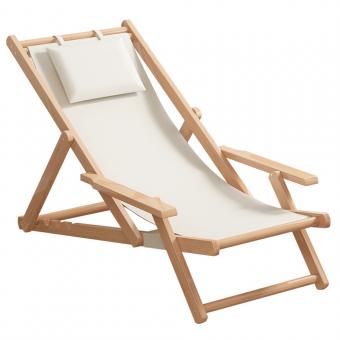
ブランド : 安徽省ファイステル工場 製造業の関連 : OEMとODM 製品 : このキャンプ用折りたたみ式木製ラウンジチェアは、頑丈なフレーム、人間工学に基づいたリクライニング デザイン、コンパクトな折りたたみ構造を特徴としており、ビーチ、キャンプ場、裏庭でのリラックスに最適です。
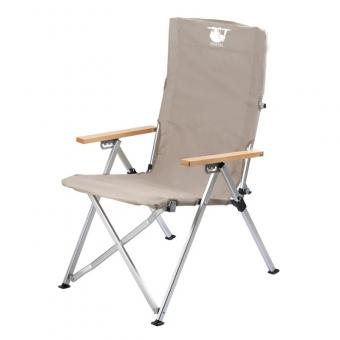
ブランド : 安徽省ファイステル工場 製造業の関連 : OEMとODM 製品 : この屋外用折りたたみアルミフレーム キャンプ チェアは、調節可能な背もたれと軽量ながらも丈夫なデザインが特徴で、キャンプ、ビーチ旅行、ピクニック、屋外でのリラックスに持ち運びやすく快適です。
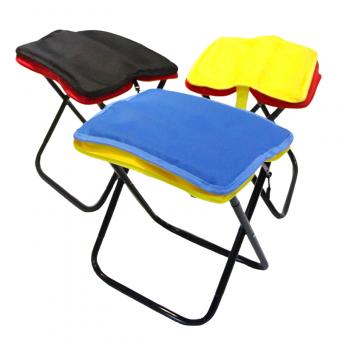
ブランド : 安徽省フェイステル工場 製造業と関連 : OEMとODM 製品 : ハイキング用バックパッキング ミニ スツールは、耐久性のあるオックスフォード生地の折りたたみ式デザインとクリエイティブなペンケース ポケットを組み合わせ、キャンプやアウトドア アドベンチャーに携帯性、快適性、実用性を提供します。
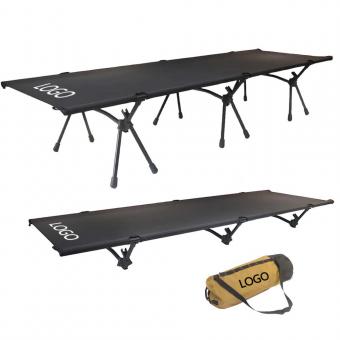
ブランド : 安徽省ファイステル工場 製造業の関連 : OEMとODM 製品 : 卸売ハイキング用品旅行用寝具は、高さ調節可能な折りたたみ式キャンプ用簡易ベッドで、頑丈なサポート、持ち運びやすさ、屋外での冒険に快適な休息を提供します。
ブランド: ANHUI FEISTEL FACTORY 関連製造業: OEM & ODM 製品:耐久性のあるフレーム、簡単なセットアップ、旅行に便利なキャリーバッグを備え、バックパッキングに最適な屋外用超軽量シングルコンパクトポータブル折りたたみキャンプベッドです。
接続を維持しましょう :