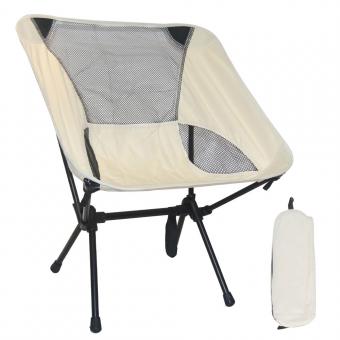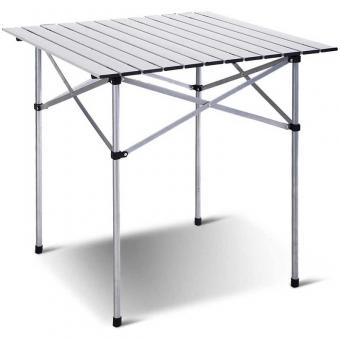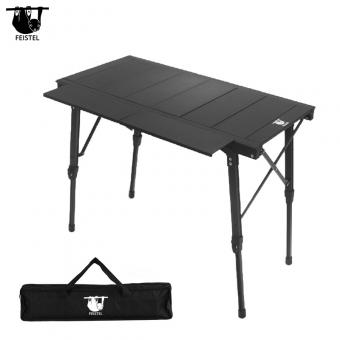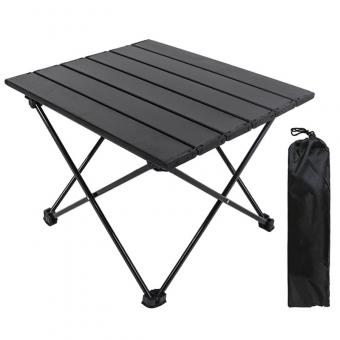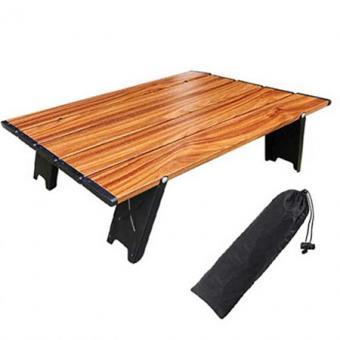
軽量小型屋外折りたたみピクニックテーブル
ブランド:安徽省FEISTEL FACTORY 関連製造: OEM & ODM 商品名:アウトドアに最適な軽量、小型、折りたたみ可能なピクニックテーブル。耐久性のある素材で作られており、持ち運びが簡単で、セットアップも簡単です。
ニール私たちのウェブサイトへようこそ!
もっと詳しく知る
スキー用品を大量購入する業者や輸入業者にとって、スキーポールのサイズに関する規制を理解することは、単に換算表を印刷するよりもはるかに複雑です。ヨーロッパやアメリカ市場向けに数千個ものスキーポールを発注する場合、高額なリコール、通関手続きの遅延、そして法的責任問題を回避するためには、スキーポールのサイズに関する法令遵守要件を理解することが不可欠となります。
この包括的なガイドでは、EUおよび米国市場におけるスキーポールのサイズ表を規定する技術基準、表示要件、および規制枠組みを検証し、国際流通向けに大量購入を行う企業にとって実践的な洞察を提供します。
スキーポールのサイズ選び 高さと長さを合わせるだけではなく、各ターゲット市場で定められた安全基準と性能基準を満たしていることを確認することが重要です。大量購入者にとって、基準を満たさないと以下のような事態が発生する可能性があります。
税関が および入港地での貨物拒否
製造物責任リスク 不適切なサイズのポールが怪我の原因となる場合
評判の低下 リコールや否定的なレビューから
経済的損失 不適合在庫の再包装、再ラベル付け、または廃棄
したがって、各市場におけるスキーポールのサイズ表に関する具体的な要件を理解することは、選択肢ではなく、国際的な調達を成功させるための基本的な要素である。
ヨーロッパ市場におけるアルペンスキーポールの主要規格は EN ISO 7331 これは、アルペンスキー用ポールとその構成部品の最低要件を規定する規格です。この規格は以下の項目を対象としています。
寸法仕様および公差
シャフトとバスケットの強度要件
グリップとストラップの安全要件
表示義務
サイズ表に関して、EN ISO 7331への準拠とは、記載されているポールの長さが、各指定長さにおいてこれらの構造および安全要件を満たす製品に対応していることを意味します。
欧州連合で販売されるスキーポールには、 CEマーキング これは、関連するEU法規への適合性を示しています。大量購入者にとって、これは次のことを意味します。
サプライヤーがEN ISO 7331規格に準拠した試験および認証済みのポールを提供していることを確認してください。
適合性に関する文書(適合宣言書)の保管
サイズ別のテストが、輸入する長さの全範囲を網羅していることを確認する
CEマークは製品本体またはその包装に貼付する必要があり、対応するサイズ情報は明確に表示され、正確でなければならない。
任意ではあるが、 GSマーク (ドイツ安全認証)はドイツ市場で高く評価されており、独立した試験機関が安全要件への適合性を検証したことを示しています。ドイツ語圏市場(ドイツ、オーストリア、スイス)をターゲットとする大量購入者は、GS認証を受けたポールが消費者の信頼度が高く、高価格を正当化できると考えるでしょう。
EUの規制では、スキーポールの包装には以下のものを含めることが義務付けられています。
長さはセンチメートル(cm)で表示されます。
用途分類(アルペン、ツーリングなど)
安全上の警告および使用上の注意
製造業者/輸入業者識別情報
CEマーキング
パッケージや販促資料に含まれるサイズ表は、ポールの実際の長さを正確に反映したものでなければならず、消費者の身長に対するサイズ選びを誤解させるものであってはならない。
米国市場は、 ASTMインターナショナル アルペンスキーのストックの場合、関連する規格は ASTM F3294-17 性能要件と試験方法を規定する。EU規格との主な相違点は以下のとおり。
強度と耐久性に関する異なる試験プロトコル
表示要件のバリエーション
コンプライアンス遵守のための別々の経路(自己認証と第三者機関による検査)
大量購入者は、注文するすべての電柱の長さについて、ASTM F3294-17規格への準拠を示す文書を供給業者が提供できることを確認する必要があります。
スキーポールに限った話ではないが、 消費者製品安全委員会(CPSC) 米国市場における製品の安全性を監督する。輸入業者は、自社製品が以下の基準を満たしていることを確認しなければならない。
CPSIA(消費者製品安全改善法) 追跡ラベルの要件
リードコンテンツ 制限事項(塗装面および塗装部品に適用)
フタル酸エステル規制 プラスチック部品(グリップ、バスケットなど)用
これらの要件は電柱の長さに関係なく適用され、法令遵守計画に考慮に入れなければなりません。
カリフォルニアの 提案65 記載された化学物質を含む製品に対して、追加の表示義務を課します。スキーポールの場合、これは以下の製品に適用される可能性があります。
フタル酸エステルを含むPVC製グリップ
重金属を含む塗料およびコーティング剤
かごに使用されている特定のプラスチック
全国規模で大量購入・販売を行う業者は、カリフォルニア州プロポジション65の遵守を徹底するか、適切な警告表示を行う必要があり、これはパッケージデザインやサイズ表の表示方法に影響を与える可能性がある。
側面
EU市場
米国市場
初等基準
EN ISO 7331
ASTM F3294-17
認証アプローチ
CEマーキング(自己認証または第三者認証)
CPSCの監督下での自己認証
長さ測定
通常は先端からグリップの上部まで
同じ
表示要件
CEマーク、長さ(cm)、製造元ID
追跡ラベル、原産地表示
化学物質の使用制限
REACH(高懸念物質、フタル酸エステル類)
CPSIA(鉛、フタル酸エステル)、カリフォルニア州プロポジション65
テストドキュメント
技術ファイル、適合宣言書
子供向け製品証明書(該当する場合)
市場監視
EU加盟国の当局
CPSC
大量注文に対応した、規格に準拠したサイズ表の作成
適合するサイズ表の基本は、正確な長さ測定です。業界標準によると、スキーポールの長さはスパイクの先端からグリップの上部まで(ストラップを除く)測定されます。大量注文の場合、これは次のことを意味します。
生産バッチ全体で一貫した測定プロトコルを確立する
実際のポールの長さが、許容範囲内で規定の長さと一致していることを確認する。
品質管理記録のための測定方法の文書化
大量購入者にとって、どのサイズを在庫するかを決定するには、市場特有の嗜好を理解する必要がある。
EU市場 スキーヤーの層やアルペンツーリングのニーズが多様であるため、通常はより幅広いサイズ範囲(90cm~145cm)が求められます。
米国市場 需要は中程度(105cm~130cm)に集中しており、極端な値での変動は少ない。
下の表は、スキーヤーの身長別の一般的なサイズ範囲を示しています。
スキーヤーの身長
推奨ポール長(cm)
身長122cm未満
65-75
4フィート0インチ~4フィート4インチ(122~132cm)
75-85
身長:4フィート5インチ~4フィート9インチ(135~145cm)
85-95
4フィート10インチ~5フィート2インチ(147~157cm)
95-105
身長160~170cm(5フィート3インチ~5フィート7インチ)
105-115
身長:5フィート8インチ~6フィート0インチ(173~183cm)
115-125
身長 6フィート1インチ~6フィート5インチ (185~196cm)
125-135
身長196cm以上(6フィート5インチ以上)
135-145
EU向け出荷の場合、サイズ表とパッケージは多言語に対応する必要があります。EUは、製品が販売される加盟国の公用語で安全情報を提供することを義務付けています。具体的なアプローチとしては、以下のものがあります。
多言語パネル 主要なEU言語を網羅したパッケージ
絵文字 サイズに関するガイダンスにおいて言語の壁を超越する
QRコード 複数の言語でオンラインサイズ表へのリンクを提供
スキーポールを大量注文する際の仕入先選定においては、以下の点を要求してください。
テストレポート ISO 17025認定試験所によるEN ISO 7331またはASTM F3294-17への準拠の確認
適合宣言 (EU)または子供向け製品証明書(米国で該当する場合)
安全データシート グリップ、バスケット、コーティング用
REACH準拠文書 (EU向け出荷の場合)
提案65に関する声明 (米国向け出荷の場合)
以下の事項を確認するために、工場監査を実施または委託することを検討してください。
長さの一貫性を確保するための品質管理プロセス
試験機能と記録管理
輸出市場のニーズを理解する
バッチ識別のためのトレーサビリティシステム
大量注文を行う前に、以下の項目についてサンプルを確認してください。
実際の計測長さと公称長さの比較
同じサイズの複数のユニット間での一貫性
マーキングとラベルの正確性
パッケージの完全性(サイズ表を含む)
地域ごとの基準に合わせずに単一のサイズ表を使用すると、法令違反のリスクが生じます。例えば、EU市場では若年スキーヤー向けに、より詳細なサイズに関するガイダンスが求められる場合があり、一方、米国市場では異なる測定方法が重視される可能性があります。
EN ISO規格とASTM規格はどちらも定期的に更新されます。大量購入者は、製品が各規格の最新版に準拠していることを確認し、古い仕様に準拠していないことを確認する必要があります。
税関当局は通関手続きの際に技術文書の提出を求めるケースが増えている。適合宣言書や試験報告書が不足している場合、貨物の輸送が数週間遅れる可能性がある。
表示されている長さと実際の寸法が異なるポールは、消費者の混乱を招き、法的責任につながる可能性があります。厳格な品質管理を実施し、表示されている長さが許容範囲内で実際の寸法と一致するようにしてください。
各ターゲット市場の要件を追跡するための詳細なマトリックスを作成します。これには以下が含まれます。
適用規格およびバージョン
ラベル表示およびマーキングに関する要件
化学物質の制限
文書化の必要性
サプライヤー契約には、以下の事項を義務付ける具体的なコンプライアンス条項を含めること。
現行規格への認証
試験報告書および技術文書の提供
工場監査および試験記録の監査権
不遵守に対する補償
製品ラインとサイズごとに、以下を維持してください。
各ポール長ごとの試験報告書
適合宣言
安全データシート
工場監査報告書
サンプル承認記録
EUおよび米国の市場監視当局は、輸入後に製品を検査する可能性があることを理解しておいてください。記録は少なくとも10年間保管し(EUの要件)、問い合わせには迅速に対応してください。
法令遵守違反による経済的影響は甚大となる可能性がある。
|
法令遵守違反シナリオ
|
潜在的なコスト
|
|
税関によるコンテナの押収
|
コンテナ全額+滞船料
|
|
製品リコール
|
規模に応じて5万ドル~50万ドル以上
|
|
賠償請求に対する法的弁護
|
10万ドル以上
|
|
ブランドイメージの損害
|
計り知れない
|
|
将来の輸入制限
|
市場へのアクセスを失った
|
スキーポールを大量購入する企業にとって、サイズ表の遵守を単なる規制上のハードルと捉えるのは、より重要な点を見落としていると言えるでしょう。正確なサイズ表、適切な認証、完全な文書化といった、堅牢なコンプライアンスプログラムを実証できるサプライヤーこそが、競争の激しい市場で他社との差別化を図ることができるのです。
小売業者や流通業者は、規制遵守を保証し、自社の責任を軽減し、調達プロセスを簡素化できるパートナーをますます求めるようになっています。スキーポールのサイズに関するEUおよび米国の規格を熟知することで、大量購入者は単なる商品販売業者ではなく、信頼できるパートナーとしての地位を確立できます。
EN ISO 7331およびASTM F3294-17の理解、技術文書の維持、サプライヤーのコンプライアンス検証への投資は、通関手続きの円滑化、法的責任リスクの軽減、顧客関係の強化といった形で大きな利益をもたらします。スキー用品の輸入・流通という競争の激しい世界では、コンプライアンスとは単に要件を満たすことだけではなく、持続可能で収益性の高い成長の基盤を築くことなのです。
カテゴリ
ブランド:安徽省FEISTEL FACTORY 関連製造: OEM & ODM 商品名:アウトドアに最適な軽量、小型、折りたたみ可能なピクニックテーブル。耐久性のある素材で作られており、持ち運びが簡単で、セットアップも簡単です。
ブランド : 安徽省ファイステル工場 製造業の関連 : OEMとODM 製品 : カスタム軽量メタルアイアン折りたたみ式ムーンチェアは、耐久性のあるサポートと快適さを提供し、屋外キャンプに最適で、持ち運びや保管が簡単なコンパクトでポータブルなデザインです。
ブランド:安徽省FEISTEL FACTORY 関連製造: OEM & ODM 製品:アウトドアポータブル折りたたみロールアップピクニックテーブル:高さ調節可能、セットアップが簡単、キャンプ、ピクニック、アウトドアアクティビティ用のコンパクトなキャリーバッグを備えた軽量で耐久性のあるアルミニウムデザイン。
ブランド:安徽省FEISTEL FACTORY 関連製造: OEM & ODM 商品名:高さ調節可能な脚が付いた、多用途でポータブルな IGT BBQ キャンプテーブル。アウトドアクッキング、キャンプ、ピクニックなどに最適です。軽量で折りたたみ可能で持ち運びが簡単です。
ブランド:安徽省FEISTEL FACTORY 関連製造: OEM & ODM 商品名:キャンプやビーチ、アウトドアなどに最適な、コンパクトで軽量なアルミ製折りたたみテーブルです。持ち運びが簡単で丈夫なので、食べ物や飲み物を入れるのに最適です。
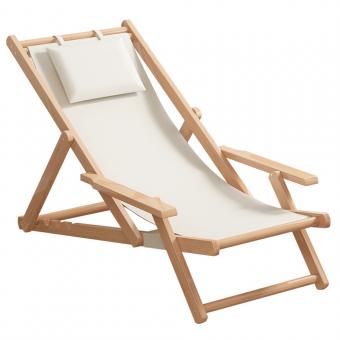
ブランド : 安徽省ファイステル工場 製造業の関連 : OEMとODM 製品 : このキャンプ用折りたたみ式木製ラウンジチェアは、頑丈なフレーム、人間工学に基づいたリクライニング デザイン、コンパクトな折りたたみ構造を特徴としており、ビーチ、キャンプ場、裏庭でのリラックスに最適です。
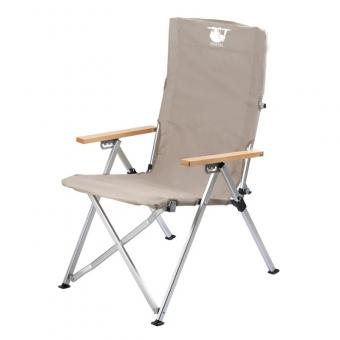
ブランド : 安徽省ファイステル工場 製造業の関連 : OEMとODM 製品 : この屋外用折りたたみアルミフレーム キャンプ チェアは、調節可能な背もたれと軽量ながらも丈夫なデザインが特徴で、キャンプ、ビーチ旅行、ピクニック、屋外でのリラックスに持ち運びやすく快適です。
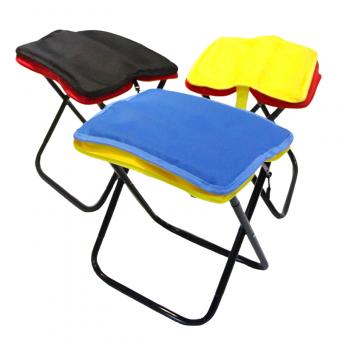
ブランド : 安徽省フェイステル工場 製造業と関連 : OEMとODM 製品 : ハイキング用バックパッキング ミニ スツールは、耐久性のあるオックスフォード生地の折りたたみ式デザインとクリエイティブなペンケース ポケットを組み合わせ、キャンプやアウトドア アドベンチャーに携帯性、快適性、実用性を提供します。
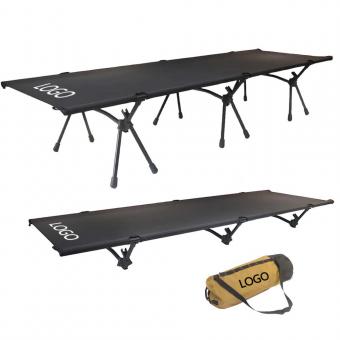
ブランド : 安徽省ファイステル工場 製造業の関連 : OEMとODM 製品 : 卸売ハイキング用品旅行用寝具は、高さ調節可能な折りたたみ式キャンプ用簡易ベッドで、頑丈なサポート、持ち運びやすさ、屋外での冒険に快適な休息を提供します。
ブランド: ANHUI FEISTEL FACTORY 関連製造業: OEM & ODM 製品:耐久性のあるフレーム、簡単なセットアップ、旅行に便利なキャリーバッグを備え、バックパッキングに最適な屋外用超軽量シングルコンパクトポータブル折りたたみキャンプベッドです。
接続を維持しましょう :