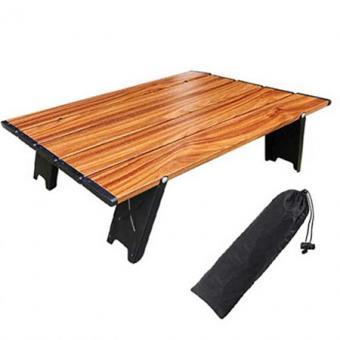
軽量小型屋外折りたたみピクニックテーブル
ブランド:安徽省FEISTEL FACTORY 関連製造: OEM & ODM 商品名:アウトドアに最適な軽量、小型、折りたたみ可能なピクニックテーブル。耐久性のある素材で作られており、持ち運びが簡単で、セットアップも簡単です。
ニール私たちのウェブサイトへようこそ!
もっと詳しく知る屋外イベント、キャンプ旅行、またはホスピタリティ施設向けの座席を調達する際、常に浮上する疑問があります:鉄製チューブチェアはアルミニウム製より安いのでしょうか? 短い答えは「はい」です――多くの場合、大幅に安価です。しかし、実際のコスト全体像は、初期価格だけでははるかに複雑です。この記事では、鉄(スチール)製チューブチェアとアルミニウム製チューブチェアの実際のコストを、原材料、製造、物流、メンテナンス、長期的価値の観点から分析し、十分な情報に基づいた購入判断を支援します。
鉄鋼とアルミニウムのチューブチェアのコスト差は、最も基本的なレベルである原材料価格から始まります。2026年5月、アルミニウムのLME価格は1トンあたり3,650~3,700ドルに達し、2025年初頭の約2,500ドル水準から前年比47%上昇しました。一方、スチールHRCは**1ショートトンあたり1,022~1,076ドル**で推移し、2025年の底値である約800ドルからの上昇率は比較的穏やかな25%でした。この1トンあたり2,600ドルの差が、メーカーのコスト構造を根本的に変化させました。
この材料価格の乖離は、完成品の価格に直接反映されます。粉体塗装を施した炭素鋼製ヘビーデューティーチェアは通常、中国FOB価格で1台あたり10~20ドル程度です。同等のアルミニウム製チェアでは?45~130ドルとなり、スチール製の選択肢は55~85%安価になります(仕上げやチューブの厚みによって異なります)。1,000台を注文する大量購入者の場合、この差は初期費用で25,000~110,000ドルの節約になります。
アルミニウムは、原材料として高価なだけではなく、加工もより難しい素材です。アルミニウム合金製の継手を使用した家具は通常、中~高級市場向けに位置付けられます、その価格も自然に高くなります。加工の難しさと高い原材料コストが相乗効果を生み、アルミニウム製チェアの価格をスチール製の同等品より大幅に押し上げています。
一方、スチールは確立された、コスト効率の高い製造プロセスの恩恵を受けています。複雑な形状への溶接が容易で、標準化されたチューブ寸法で広く入手可能です。この製造効率により、スチール製チェアメーカーはアルミニウム製造業者が容易には実現できない規模の経済を達成できます。
コスト計算は、チューブ仕様にも大きく左右されます。より厚いゲージを持つスチールフレーム――通常肉厚1.0mm~1.2mm――は、同等の強度を持つアルミニウムチューブのコストのわずかな割合で、最大限の安定性を提供します。アルミニウムは密度が低いため、同等の強度を得るにはより厚い肉厚が必要になることが多く、その結果、重量面での利点がさらに縮小する一方で、材料使用量とコストが増加します。
アルミニウムはおおよそスチールの3分の1の密度です一般的なアルミ製チェアの重量は約5〜8ポンドですが、同等のスチール製チェアは15〜20ポンドになる場合があります。この重量差は配送コストに大きな影響を与えます:
指標
スチール製チェア
アルミ製チェア
1台あたりの一般的な重量
15〜20ポンド
5〜8ポンド
40HQコンテナあたりの積載台数
約1,400〜1,500台
約2,800〜3,000台
1台あたりの配送コスト
高い
低い
40フィートHQコンテナの場合、通常は約1,408〜1,504脚のスチール製折りたたみチェアを積載できますが、アルミ製チェアは軽量で、折りたたみ時によりコンパクトになることが多いため、コンテナ積載効率の向上を実現できます。ただし、アルミ製品の1台あたりの配送コスト上の優位性は、より高い材料コストを部分的に相殺するため、最終的な納入コストの差はFOB価格の差だけで見る場合よりも小さくなります。
この重量と物流の関係は、関連するアウトドア家具であるキャンバス製キャンプテーブルを検討する際にも同様に重要です。一般的なキャンバス製折りたたみキャンプテーブルは、スチールフレームと高耐久600Dオックスフォード生地の天板を備え、重量は約5.3〜9kgで、サイズや機能によって異なります。600Dオックスフォード生地600Dオックスフォード生地は引き裂き耐性と耐久性を提供し、スチールフレームは最大 35~50ポンド の荷重に対する安定性を提供します。一部のモデルには内蔵カップホルダー、下部収納棚、およびたるみのない表面が備わっており、荷物を載せても平らな状態を保ちます。
アルミフレームのキャンバステーブルは、入手可能な場合、重量が大幅に軽く、通常は5ポンド未満であるため、持ち運びが容易ですが、一般的に高い価格帯になります。重量削減とコストのトレードオフは、椅子の比較と完全に一致します:スチールフレームは強度と手頃な価格を提供し、アルミフレームは割増価格で携帯性を提供します。
ここでコストの話が興味深くなります。スチール製チェアは初期費用が安い一方で、長期的にはより多くのメンテナンスが必要です。スチールは、亜鉛メッキや粉体塗装が施されていても、特に沿岸部や湿潤な環境では、コーティングが欠けると最終的にさびる可能性があります。一方、アルミニウムは、さびに耐性のある保護酸化皮膜を自然に形成します。これによりアルミニウムは特にビーチプログラム、沿岸市場、湿潤気候に適しています。
多くの用途では、長期的なコスト比較でアルミニウムが有利です。ある業界分析では次のように述べられています:「一度購入する中価格帯のアルミニウム製チェアと、2年ごとに交換するエントリーレベルのスチール製チェアを比較すると、3年目にはアルミニウム製チェアが勝ります」。アルミニウム製家具は、一般的に屋外環境で時間が経過してもより良い状態を保ちます。これは自然な耐腐食性によるものです。
スチール製チェアは、コーティングの損傷を定期的に点検し、さびの拡大を防ぐために速やかな補修塗装が必要です。一方、アルミニウム製チェアはメンテナンスが最小限で済み、通常は石けん水で時々清掃するだけです。ホスピタリティ施設、レンタル事業、または椅子が屋外で長時間使用されるあらゆる用途では、これらのメンテナンス費用は急速に積み重なります。
|
コスト要因 |
スチール/鉄製チェア |
アルミニウム製チェア |
|
初期購入価格 |
1台あたり10~20ドル |
1ユニットあたり45~130ドル |
|
1ユニットあたりの送料 |
高い |
低い |
|
年間メンテナンス |
中~高 |
低 |
|
標準的な寿命(屋外) |
2~5年 |
5~10年以上 |
|
交換頻度 |
より頻繁 |
より少ない頻度 |
スチールチューブチェアが明確な勝者となる場合:
高耐久性の容量が必要である— スチールはより高い耐荷重と優れた耐衝撃性を提供する
大量購入— 数千脚のチェアでは、1台あたりの価格差がすぐに大きくなる
アルミニウムチューブチェアは投資する価値がある場合:
屋外環境へのさらされる状態が常に続く— ビーチフロント施設、プールデッキ、沿岸環境
長期的な所有コストが評価基準である— メンテナンスが少なく、交換回数も少ない
バランスを求める購入者にとって、ハイブリッドデザインは魅力的な中間的選択肢を提供する。一部のメーカーは現在、アルミニウム製の脚とスチール製のクロスブレースを組み合わせた、重量(約8.5ポンド)と耐久性のバランスを実現しています。このアプローチは300ポンドの耐荷重を維持しながら、材料コストを20%削減します。アルミニウムの携帯性の利点を一部求めながらも予算を重視する購入者にとって、ハイブリッド設計は魅力的な選択肢です。
同様に、キャンバス製キャンプテーブルでは、多くの場合スチール製フレームとキャンバス製天板を使用して、コスト、耐久性、携帯性の最適なバランスを実現しています。600Dオックスフォード生地は、キャンバスまたはポリエステルのいずれであっても、アルミニウム製天板の数分の一のコストで、耐候性と引き裂き強度を提供します。次のような機能、内蔵カップホルダー、収納棚、およびキャリーバッグは、大幅なコスト増加なしに機能性を高めます。
鉄製チューブチェアはアルミニウム製より安いのでしょうか? はい — 購入時点では大幅に安価です。スチール製チェアの価格は55~85%低く同等のアルミニウム製モデルよりも安価です。ただし、総合的なコストには、配送費、メンテナンス、交換頻度も含まれます。屋内使用や短期間の屋外使用では、スチールが明確に経済的な選択です。恒久的な屋外設置、特に海岸地域や湿度の高い環境では、アルミニウムの耐食性と生涯にわたる低いメンテナンスコストが、割高な価格を正当化することが多くあります。
適切な選択は、具体的な用途、予算、長期的な戦略によって異なります。大量購入者にとって、スチールの初期費用の節約は大きなものです。高級ブランドや海岸地域での用途では、アルミニウムの耐久性と低いメンテナンス性が、長期的により賢明な投資となります。また、中間的な選択肢を求める人には、ハイブリッド設計やキャンバス天板付きスチール家具が、多くの屋外用途に適した実用的な妥協案を提供します。
カテゴリ
ブランド:安徽省FEISTEL FACTORY 関連製造: OEM & ODM 商品名:アウトドアに最適な軽量、小型、折りたたみ可能なピクニックテーブル。耐久性のある素材で作られており、持ち運びが簡単で、セットアップも簡単です。
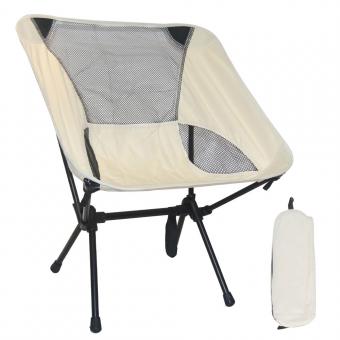
ブランド : 安徽省ファイステル工場 製造業の関連 : OEMとODM 製品 : カスタム軽量メタルアイアン折りたたみ式ムーンチェアは、耐久性のあるサポートと快適さを提供し、屋外キャンプに最適で、持ち運びや保管が簡単なコンパクトでポータブルなデザインです。
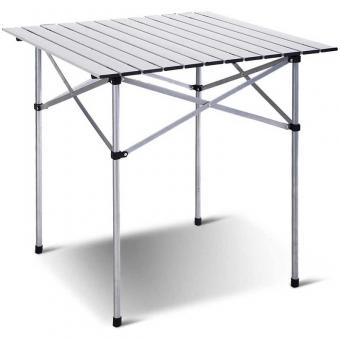
ブランド:安徽省FEISTEL FACTORY 関連製造: OEM & ODM 製品:アウトドアポータブル折りたたみロールアップピクニックテーブル:高さ調節可能、セットアップが簡単、キャンプ、ピクニック、アウトドアアクティビティ用のコンパクトなキャリーバッグを備えた軽量で耐久性のあるアルミニウムデザイン。
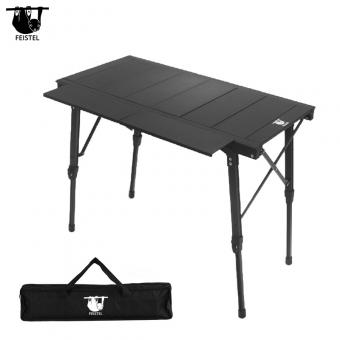
ブランド:安徽省FEISTEL FACTORY 関連製造: OEM & ODM 商品名:高さ調節可能な脚が付いた、多用途でポータブルな IGT BBQ キャンプテーブル。アウトドアクッキング、キャンプ、ピクニックなどに最適です。軽量で折りたたみ可能で持ち運びが簡単です。
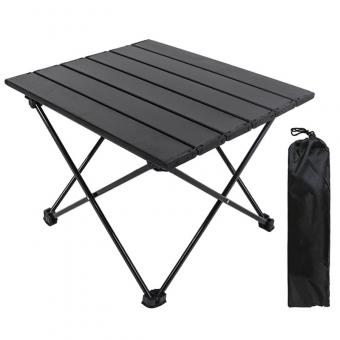
ブランド:安徽省FEISTEL FACTORY 関連製造: OEM & ODM 商品名:キャンプやビーチ、アウトドアなどに最適な、コンパクトで軽量なアルミ製折りたたみテーブルです。持ち運びが簡単で丈夫なので、食べ物や飲み物を入れるのに最適です。
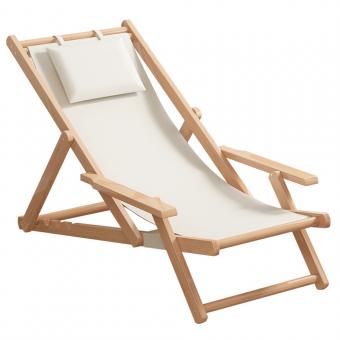
ブランド : 安徽省ファイステル工場 製造業の関連 : OEMとODM 製品 : このキャンプ用折りたたみ式木製ラウンジチェアは、頑丈なフレーム、人間工学に基づいたリクライニング デザイン、コンパクトな折りたたみ構造を特徴としており、ビーチ、キャンプ場、裏庭でのリラックスに最適です。
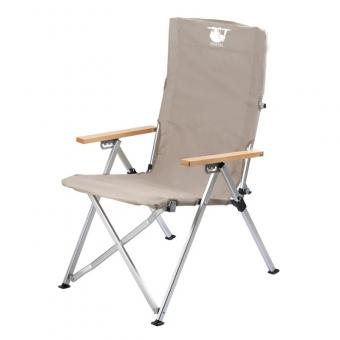
ブランド : 安徽省ファイステル工場 製造業の関連 : OEMとODM 製品 : この屋外用折りたたみアルミフレーム キャンプ チェアは、調節可能な背もたれと軽量ながらも丈夫なデザインが特徴で、キャンプ、ビーチ旅行、ピクニック、屋外でのリラックスに持ち運びやすく快適です。
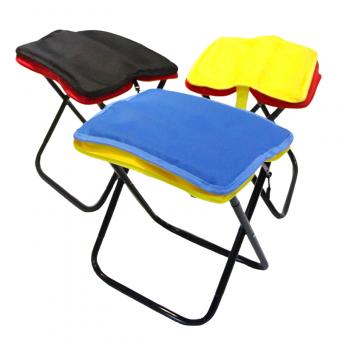
ブランド : 安徽省フェイステル工場 製造業と関連 : OEMとODM 製品 : ハイキング用バックパッキング ミニ スツールは、耐久性のあるオックスフォード生地の折りたたみ式デザインとクリエイティブなペンケース ポケットを組み合わせ、キャンプやアウトドア アドベンチャーに携帯性、快適性、実用性を提供します。
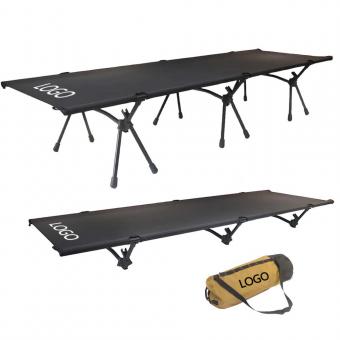
ブランド : 安徽省ファイステル工場 製造業の関連 : OEMとODM 製品 : 卸売ハイキング用品旅行用寝具は、高さ調節可能な折りたたみ式キャンプ用簡易ベッドで、頑丈なサポート、持ち運びやすさ、屋外での冒険に快適な休息を提供します。
ブランド: ANHUI FEISTEL FACTORY 関連製造業: OEM & ODM 製品:耐久性のあるフレーム、簡単なセットアップ、旅行に便利なキャリーバッグを備え、バックパッキングに最適な屋外用超軽量シングルコンパクトポータブル折りたたみキャンプベッドです。
接続を維持しましょう :