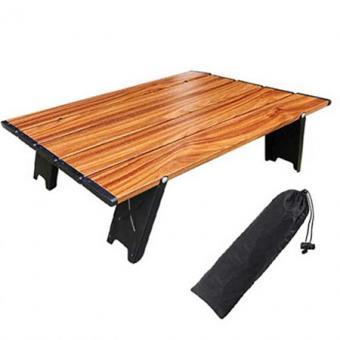
ブランド:安徽省FEISTEL FACTORY 関連製造: OEM & ODM 商品名:アウトドアに最適な軽量、小型、折りたたみ可能なピクニックテーブル。耐久性のある素材で作られており、持ち運びが簡単で、セットアップも簡単です。
ニール私たちのウェブサイトへようこそ!
もっと詳しく知るキャンプ旅行の成否は、夜ぐっすり眠れるかどうかにかかっています。そして、その睡眠において最も重要な要素とは?あなたと地面との間のバリア。
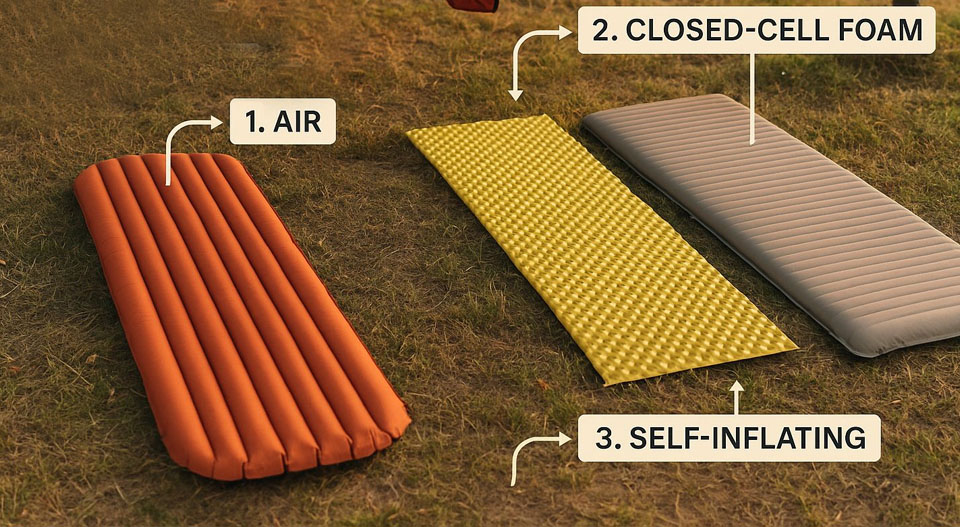
ほとんどのキャンパーにとって、選択肢は主に2つに絞られます。定番の「通常のエアーマット」と、ますます人気が高まっている「自動膨張式パッド」です。一見似ているように見えますが、その仕組みは大きく異なり、睡眠体験も全く違ったものになります。次の冒険に最適なものを選ぶために知っておくべきすべてをここにまとめました。
通常のエアーマットは、本質的には大きく耐久性のあるバルーンです。体重を支えるために完全に「空気圧」に頼っています。内部は単なる空洞です。膨らませるには、電動、電池式、手動を問わず、ポンプが必要です。マットは厚みがあり、地面からしっかりと距離を保てますが、快適さは純粋に閉じ込められた空気から得られるものです。
自動膨張式パッドは全くの別物です。その秘密は、気密性の高いファブリックシェルの中に密封された「オープンセルフォームコア」にあります。
パッドを広げてバルブを開くと、圧縮されていたフォームが膨張します。この膨張によって真空効果が生まれ、スポンジのように「パッド内に空気が引き込まれ」ます。完全に膨らんだらバルブを閉じて空気を閉じ込めます。空気だけではなく、「空気でクッション性を高めたフォーム」の層の上で眠ることになります。このフォームコアが構造を支えるため、気圧が少し下がってもマットが「体重で潰れてしまうことがない」のです。
エアーマットは、従来のベッドに近い快適さを提供します。厚みがあり、調整可能で、あなたと地面の間に豪華でクッション性のあるバリアを提供します。
しかし、落とし穴があります。エアマットレスは「振動の伝わり」で悪名高いのです。ダブルサイズのエアベッドを二人で使う場合、パートナーが寝返りを打つたびに、弾んでしまいます。あるレビュアーは、それを「まるでふわふわ遊具(ジャンピングキャッスル)の上で寝ているような感覚」と表現しました。また、特に二人で寝る場合には「弾むような」寝心地に感じられることもあります。
自動膨張式パッドの内部にあるフォームコアは、より安定したサポート力のある表面を提供します。「ウォーターベッド」のような揺れはなく、パートナーの動きもほとんど気になりません。
横向きで寝る人にとって、高密度フォームが腰や肩が地面に沈み込むのを防ぎ、自宅のマットレスに近いサポート感を得られます。あるユーザーは、自動膨張式パッドについて「普通のエアマットレスより快適で、以前使っていたキャンプ用のヨガマットとは比べ物にならないほど良い」と述べています。別のレビュアーは、「全面エア式のマットレスほど弾まないので、妻を起こす可能性が低い」と評価しています。
結論: 安定したサポート力のある睡眠を求めるなら、特に横向きで寝る人やカップルには、自動膨張式パッドがおすすめです。
標準的なエアマットレスは、硬い地面から体を浮かせるのには優れていますが、内部の大量の空気が寒い時期には欠点となります。内部の空気が循環し、地面の周囲温度まで冷えてしまいます。体がその空気を温めようとしても、地面が熱を奪ってしまうため、良い寝袋を使っていても寒く感じてしまいます。それはまるで、下に敷かれた冷蔵庫の冷却コイルのように機能します。
これに関する専門用語がR値であり、マットが地面からの熱伝導をどれだけ遮断できるかを示す尺度です。地面から40cmの高さがある従来のエアベッドのR値はゼロであり、地面からの冷気がそのまま体へと伝わってしまいます。
「自動膨張式マット内部のフォームコアが断熱材として機能し、静止空気を閉じ込めて対流による熱損失を防ぎます。これにより、標準的なエアベッドよりも大幅に暖かくなり、夏のピーク時以外にキャンプをする場合には不可欠です。
一方、R値8の10cm厚の自動膨張式マットであれば、地面に近くても冷気をほぼ完全に遮断します。あるユーザーは使用感を次のように比較しています。「このセットアップなら、フォームのおかげで従来のエアマットレスのような『凍えるのに汗をかく』という感覚がありませんでした」。
特徴
通常のエアマットレス
自動膨張式パッド
R値
~0(断熱性なし)
2.0~9.8(断熱性あり)
暖かさ
涼しい気候では不十分
一年中優れている
振動の伝わり
高い(弾む)
低い(安定している)
結論: 3シーズン用や寒冷地でのキャンプには、自動膨張式パッドの方がはるかに優れています。
エアマットレスは、収納サイズに関しては明らかに勝っています。大型のクイーンサイズエアベッドでさえ、コンパクトで持ち運びやすい箱に折りたたむことができます。ハッチバック車でのキャンプや、数泊のベースキャンプを設営する場合、この省スペース設計は比類のないものです。
しかし、エアマットレスはかさばり、重いため、持ち運ぶ必要のあるポンプを考慮すると不便です。バックパッキングには適していません。
自動膨張式パッドはフォームパッドより小さく収納できますが、エアパッドほど小さくはなりません。それらはフォームよりコンパクトですが、フォームコアがあるため、エアマットレスほどのサイズには圧縮できません。しかし、それらは別途ポンプを必要としないため、全体的なスペースと重量を節約できます。
結論:最大限の収納性を求めるなら、エアマットレスが優れています。収納サイズと利便性のバランスを考えるなら、自動膨張式パッドが有力な候補となります。
自動膨張式パッドはエアパッドよりもはるかに耐久性が高いです。フォームコアがクッションと保護の役割を果たすため、パンクしにくくなっています。外側のシェルに小さな穴が開いたとしても、フォームが断熱材とサポートの役割を維持します。。
対照的に、エアマットレスはパンクしやすいです。鋭利な岩や松ぼっくり、あるいはテント内のギアなどが原因となります。空気漏れは、非常に不快な夜を過ごすことにつながる可能性があります。リペアキットで小さな穴を修理することはできますが、リスクは常に存在します。。
結論:長期的な耐久性と安心感を求めるなら、自動膨張式パッドが優れています。
エアマットレスはセットアップに手間がかかります。ポンプを持ち運ぶ必要があり、夜遅くに到着した場合、電動ポンプの騒音で周囲のキャンパーに迷惑をかけるかもしれません。手動ポンプや口での空気入れは時間と労力を要します。。
自動膨張式パッドはセットアップがより簡単です。パッドを広げてバルブを開き、数分間放置するだけです。その後、好みの硬さになるまで数回息を吹き込めば完了です。ポンプは不要。騒音もなし。手間もかかりません。
判定: 素早く手間のかからない設置には、インフレーターマットが優れています。
|
次のような場合は通常のエアマットレスを選びましょう... |
次のような場合はインフレーターマットを選びましょう... |
|
十分なスペースのあるオートキャンプをする場合 |
オートキャンプとバックパッキングの両方で使える汎用性が欲しい場合 |
|
地面からの高さがありベッドのような寝心地を求める場合 |
しっかりとしたサポートが必要な横向き寝の人である場合 |
|
次のような環境でキャンプをする場合:暖かい夏の気候のみ |
キャンプをするのは3シーズン用または寒冷な環境 |
|
予算が限られている |
求めるのは耐久性と耐パンク性 |
|
収納サイズが最優先事項 |
求めるのは手間のかからないセットアップポンプなしで |
|
用途は自宅での緊急用ゲストベッド |
求めるのは安定した、弾みすぎない寝心地 |
あるレビュアーの言葉を借りれば、「エアマットレスと自動膨張式パッドのどちらにするか迷っていました... エアマットレスと比べると軽量で、電池や電源がなくてもフットパッドで簡単に膨らませることができ、空気を抜いて丸め直すのもずっと簡単です」。
自動膨張式パッドは多くの人にとって非常にうまく機能する妥協点。これらは、空気の快適さと調整のしやすさに、フォームの断熱性と耐久性を兼ね備えています。ほとんどのキャンパーにとって、特に夏のピークを過ぎてから出かける人にとっては、自動膨張式パッドの方がより賢く、汎用性の高い選択肢です。
カテゴリ
ブランド:安徽省FEISTEL FACTORY 関連製造: OEM & ODM 商品名:アウトドアに最適な軽量、小型、折りたたみ可能なピクニックテーブル。耐久性のある素材で作られており、持ち運びが簡単で、セットアップも簡単です。
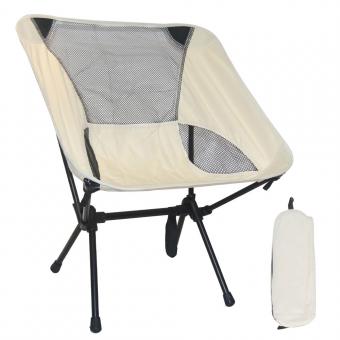
ブランド : 安徽省ファイステル工場 製造業の関連 : OEMとODM 製品 : カスタム軽量メタルアイアン折りたたみ式ムーンチェアは、耐久性のあるサポートと快適さを提供し、屋外キャンプに最適で、持ち運びや保管が簡単なコンパクトでポータブルなデザインです。
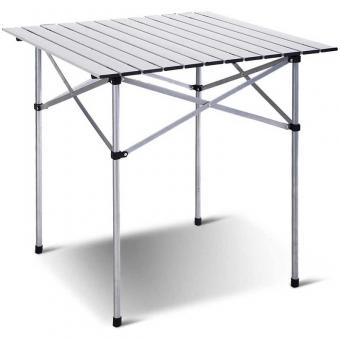
ブランド:安徽省FEISTEL FACTORY 関連製造: OEM & ODM 製品:アウトドアポータブル折りたたみロールアップピクニックテーブル:高さ調節可能、セットアップが簡単、キャンプ、ピクニック、アウトドアアクティビティ用のコンパクトなキャリーバッグを備えた軽量で耐久性のあるアルミニウムデザイン。
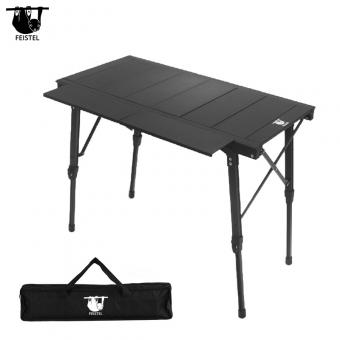
ブランド:安徽省FEISTEL FACTORY 関連製造: OEM & ODM 商品名:高さ調節可能な脚が付いた、多用途でポータブルな IGT BBQ キャンプテーブル。アウトドアクッキング、キャンプ、ピクニックなどに最適です。軽量で折りたたみ可能で持ち運びが簡単です。
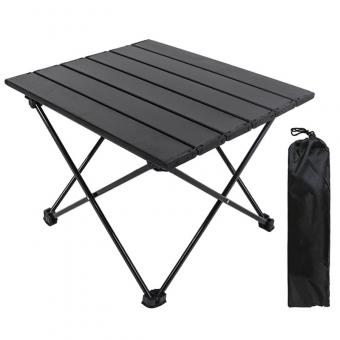
ブランド:安徽省FEISTEL FACTORY 関連製造: OEM & ODM 商品名:キャンプやビーチ、アウトドアなどに最適な、コンパクトで軽量なアルミ製折りたたみテーブルです。持ち運びが簡単で丈夫なので、食べ物や飲み物を入れるのに最適です。
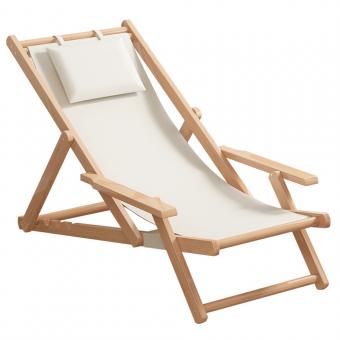
ブランド : 安徽省ファイステル工場 製造業の関連 : OEMとODM 製品 : このキャンプ用折りたたみ式木製ラウンジチェアは、頑丈なフレーム、人間工学に基づいたリクライニング デザイン、コンパクトな折りたたみ構造を特徴としており、ビーチ、キャンプ場、裏庭でのリラックスに最適です。
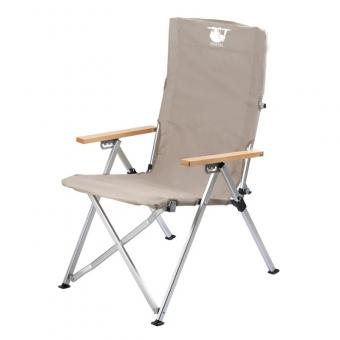
ブランド : 安徽省ファイステル工場 製造業の関連 : OEMとODM 製品 : この屋外用折りたたみアルミフレーム キャンプ チェアは、調節可能な背もたれと軽量ながらも丈夫なデザインが特徴で、キャンプ、ビーチ旅行、ピクニック、屋外でのリラックスに持ち運びやすく快適です。
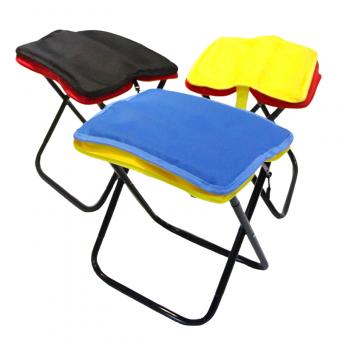
ブランド : 安徽省フェイステル工場 製造業と関連 : OEMとODM 製品 : ハイキング用バックパッキング ミニ スツールは、耐久性のあるオックスフォード生地の折りたたみ式デザインとクリエイティブなペンケース ポケットを組み合わせ、キャンプやアウトドア アドベンチャーに携帯性、快適性、実用性を提供します。
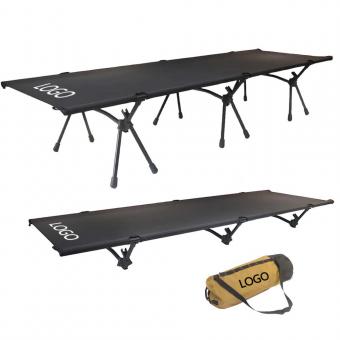
ブランド : 安徽省ファイステル工場 製造業の関連 : OEMとODM 製品 : 卸売ハイキング用品旅行用寝具は、高さ調節可能な折りたたみ式キャンプ用簡易ベッドで、頑丈なサポート、持ち運びやすさ、屋外での冒険に快適な休息を提供します。
ブランド: ANHUI FEISTEL FACTORY 関連製造業: OEM & ODM 製品:耐久性のあるフレーム、簡単なセットアップ、旅行に便利なキャリーバッグを備え、バックパッキングに最適な屋外用超軽量シングルコンパクトポータブル折りたたみキャンプベッドです。
接続を維持しましょう :