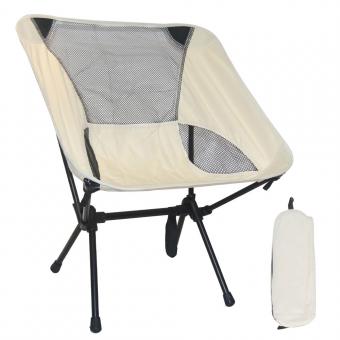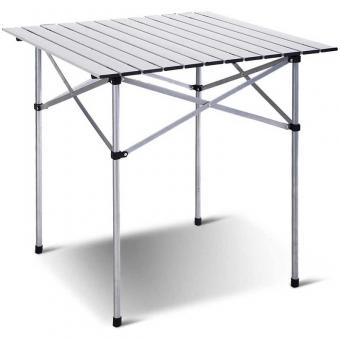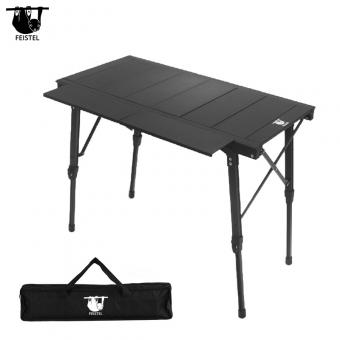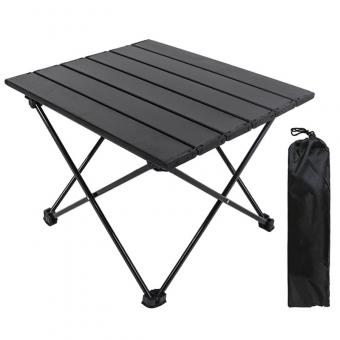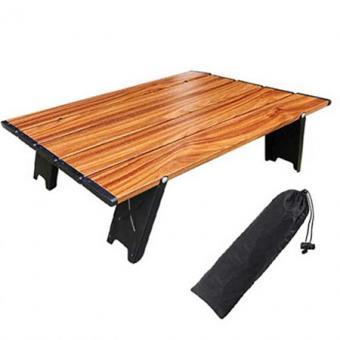
軽量小型屋外折りたたみピクニックテーブル
ブランド:安徽省FEISTEL FACTORY 関連製造: OEM & ODM 商品名:アウトドアに最適な軽量、小型、折りたたみ可能なピクニックテーブル。耐久性のある素材で作られており、持ち運びが簡単で、セットアップも簡単です。
ニール私たちのウェブサイトへようこそ!
もっと詳しく知る近年、ハンモックは庭のちょっとした飾り物から、洗練された機能的な家具へと進化を遂げました。中でも特に人気の高いのが、 椅子ハンモックスイング 快適性、美しさ、そして省スペース設計を兼ね備えた多用途のシーティングソリューション。ホスピタリティ、商業、住宅セクターの企業向け。 リゾート開発業者 、 カフェやレストランのオーナー 、 不動産管理者 、 そして インテリアデザイナー これらのブランコを大量に調達することは、顧客体験と視覚的な雰囲気を向上させることを目的とした大きな投資となります。
しかし、大量購入を成功させるには、交渉の余地のない2つの要素が重要です。 材料構成 そして 重量容量 個人使用のために1台ずつ購入する場合とは異なり、大量注文は素材の選択や構造仕様のあらゆる影響を増幅させます。不適切な生地を選ぶと、広範囲にわたる色あせや劣化につながる可能性があり、耐荷重を過小評価すると、重大な安全上の欠陥や責任問題につながる可能性があります。この包括的なガイドは、これらの重要な考慮事項を網羅し、お客様の投資を確実に保護するために作成されています。 耐久性のある業務用チェアハンモックスイング 長期的な価値、安全性、満足を実現します。
仕様を詳しく検討する前に、チェアハンモックスイングの基本的な構造を理解することが重要です。従来のスプレッダーバーとは異なり、 ハンモック これらは通常、吊り下げ式の椅子または繭のような形状で設計されています。主な構成要素は次のとおりです。
スリングまたはシート: 座席部分を形成する本体部分。通常は織物または無地の生地で作られています。
サスペンションシステム: これには以下が含まれます 頑丈なチェーン 、 ロープ 、 または 粉体塗装鋼ケーブル 座席と吊り下げポイントを繋ぐ金具。 カラビナ 、 S字フック 、 そして 天井マウント —はこのシステムに不可欠です。
スプレッダーバーまたはフープ(該当する場合): 硬い棒で、多くの場合 ステンレス鋼 または 広葉樹 、スイングをオープンに保ち、形を整えます。
クッションとパッド(オプション): 屋外で使用する場合には独自の素材の考慮が必要となる追加の快適層。
商業用途では、すべてのコンポーネントは 高頻度使用 、 環境曝露 、 そして ユーザーの安全 材料科学と負荷テストが最も重要になります。
素材の選択は、ブランコの寿命、メンテナンスの必要性、そして性能を決定づける最も重要な要素です。大量注文の場合、お客様は単に製品を購入するだけでなく、長期的な素材パートナーシップを選択することになります。
生地はユーザーにとって主要なインターフェースとなり、常に引張応力を受けます。商業的なバイヤーは、耐候性のある合成繊維織物に注目する必要があります。
ポリエステル(商業規格): 屋外ブランコに最適な、耐久性に優れた生地です。その特徴は以下の通りです。
紫外線耐性: 高品質のポリエステルは太陽光による劣化に耐える加工が施されており、色あせや繊維の劣化を防ぎます。
撥水性と速乾性: 天然繊維のように湿気を吸収しないため、カビや腐敗を防ぎます。これは、湿度の高い気候のリゾートやカフェにとって非常に重要です。
高い引張強度: 現代のポリエステル糸は、優れた強度対重量比を備えており、一定の負荷がかかっても伸びたり裂けたりしません。
メンテナンスが簡単: 中性洗剤と水で簡単に洗浄できるので、人通りの多い商業施設には欠かせません。
ナイロン(強度重視) ナイロンはデニール単位ではポリエステルよりもさらに強く、優れた伸縮性(快適性の向上)を備えています。しかし、 紫外線劣化 特別な処理を施さない限り、ナイロンは優れた選択肢です。日陰のみに設置する場合や、最大限の強度が求められる屋内商業施設では、ナイロンが最適です。
綿とキャンバス(美観と実用性):
綿ロープ/織り: クラシックで通気性に優れた質感ですが、ほとんどの商業用屋外用途には適していません。吸水性があり、カビが生えやすく、色褪せが早く、天候にさらされると強度が低下します。
Sunbrella®タイプの溶液染色アクリルキャンバス: より高級感のある家具のような外観を求めるなら、こちらはプレミアムオプションです。これらの生地は 溶液染色 つまり、繊維に色が埋め込まれており、非常に 色褪せにくい 撥水性と耐久性に優れています。初期費用は高めですが、高級な会場に最適な耐久性と美観を提供します。
織りの密度が重要: 仕様については、 デニール (糸の太さ)と 織りの締まり 織り目が細かく、デニール数が高いもの(例:400D以上)は、摩耗、毛玉、引っ掛かりに対する耐性が高くなります。
スリングの構造を形成する素材は、生地そのものと同じくらい重要です。
ポリプロピレンロープ: 一般的で経済的な選択肢です。 防水 浮きますが、紫外線耐性が低く、直射日光にさらされると脆くなり、色あせすることがあります。
ポリエステルロープ/コード: 耐久性に優れた優れた選択肢。 紫外線と湿気への耐性 ポリエステル生地と同様に、調和のとれた耐久性のあるシステムを実現し、柔軟性と強度を長期間維持します。
テクスチャ加工ポリエステルストラップ: 幅広でフラットなストラップは、重量配分が異なり、独特の美しさを演出できます。同じ高級ポリエステル素材で作られている場合、通常は非常に強く耐久性に優れています。
まさに耐荷重設計の真髄はここにあります。ハードウェアの品質には決して妥協しません。
スプレッダーバーとフープ: から作られなければならない ステンレス鋼 (全天候型に最適)または 粉体塗装鋼 粉体塗装は、厚みがあり耐久性に優れた仕上がりで、錆や傷に強いです。普通の鋼鉄や強度の弱い金属には使用しないでください。
サスペンションチェーン/ケーブル: 亜鉛メッキまたは粉体塗装されたスチールチェーン 業界標準です。安全のため、リンクが溶接でしっかりと閉じられていることを確認してください。より洗練された外観のために、 ビニールコーティングされたスチールケーブル 丈夫で表面を傷から守ります。
接続ハードウェア: 全て カラビナ 、 S字フック 、 スプリングリンク 、 そして 天井板 耐荷重性を備えていなければならない。 ステンレス鋼 または 亜鉛メッキ鋼 最低破壊強度がブランコの定格容量をはるかに超えるもの。 作業荷重限界(WLL) 。
「300ポンド(約135kg)まで耐えられる」というラベルの製品は、その価値の一部しか伝えていません。商業用途では、その数字の裏にある工学的および安全上の余裕度を理解する必要があります。
静的荷重: 静止した人の体重。これが基準値です。
動的荷重: 人が力強く座ったり、体を揺らしたり、体勢を変えたりするときに発生する力。この力は 2~3回 静的荷重。商業用ブランコは、予測不可能な一般の使用状況を考慮し、高い動的荷重に耐えられるよう設計する必要があります。静的荷重300ポンド(約135kg)に対応するブランコには、900ポンド(約900kg)以上の動的荷重に耐えられるよう、部品(布地、ロープ、金具)が試験されている必要があります。
評判の良いメーカーは、 安全係数 (多くの場合3:1、4:1、または5:1)。つまり、スイングが 300ポンドの容量 、その部品の最小破断強度は 900~1500ポンド 大量注文の見積りを依頼する際は、サプライヤーに以下の点を明確に尋ねてください。 「主要コンポーネントの安全係数と最小破壊強度はどれくらいですか?」 透明性のあるメーカーがこのデータを提供します。
責任保護のために、試験基準について問い合わせてください。 社内負荷テスト ? 試験報告書は提供できますか?ハンモック専用の認証は必ずしも存在しないかもしれませんが、カラビナなどのハードウェアには認証がある場合があります。 登山グレード(CE/UIAA) または 産業格付け 定格ハードウェアを使用することは、品質の強力な指標となります。
記載されている容量が システム全体 :スリング、ロープ、スプレッダーバー、チェーン、金具。最も弱いリンクが真の安全容量を決定します。大量調達でよくある失敗は、適切なスリング強度のブランコを注文したにもかかわらず、別のサプライヤーから規格外の、評価の低いカラビナを取り付けてしまうことです。
技術仕様が明確になると、商業調達によって追加の層が導入されます。
ほとんどのメーカーは 段階的な価格設定 注文数量に基づきます。正確な価格を知るには、おおよその必要数量(例:50、100、500個)を設定してください。 最小注文数量(MOQ) カスタムデザインの場合は数百になることもあります。
まとめ買いによりカスタマイズが可能になり、ブランド構築の強力なツールとなります。
カラーマッチング: ブランドの Pantone コードを指定すると、それに合わせて生地を織ったり染めたりすることができます。
ロゴの統合: ロゴを持つことを検討する 生地に直接織り込まれた または、耐久性のある屋外対応パッチを使用して追加することもできます。
パッケージ: 複数のサイトで統一された開梱エクスペリエンスを実現するために、無地またはカスタムブランドのパッケージをリクエストします。
この手順を決して省略しないでください。 コンテナをフルロードする前に:
2~3個の生産サンプルを注文する: ステッチの品質を検査する( ダブルステッチ または バータック ストレスポイントの縫い目、ハードウェアの仕上げ、生地の手触りなど、細部にまでこだわった仕上がりです。
独自のストレステストを実行する: サンプルを指定された容量を超えて土嚢で安全に積み込み、変形、継ぎ目の歪み、ハードウェアの損傷がないか確認します。
QCプロトコルを確立する: サプライヤーと、許容される不良率 (例: 1 ~ 2%) と出荷時の不良品に対処するプロセスについて合意します。
リードタイム: 特注品や大量注文には時間がかかります。 60~120日 生産と海上輸送のため。
配送および輸入税: 価格設定が FOB(本船渡し) または DDP(関税込み渡し) すべての物流コストを把握します。
商用保証: 保証内容を確認する 材料および製造上の欠陥 定められた期間(例:商用利用の場合は1~2年)の請求手続きについて理解してください。
チェアハンモックスイングを十分な情報に基づいて大量購入することは、戦略的なプロセスです。このガイドを要約すると、サプライヤーとのやり取りの際に以下のチェックリストを活用できます。
材料仕様:
主な生地:UV耐性、高デニール ポリエステル または溶液染色アクリル。
ロープ/コード: ポリエステル 一貫性と耐久性を実現します。
フレーム/ハードウェア: ステンレス鋼 または 粉体塗装鋼 。
ハードウェア: 定格 カラビナ そして マウント 規定の作業負荷制限付き。
重量容量と安全性:
規定容量: ユーザー層のニーズを満たすか上回る(最低 300~400ポンド 商用利用はできません。
安全係数:サプライヤーは、 最低3:1以上 安全係数。
動的負荷エンジニアリング: 製品は公共のアクティブな使用向けに設計されています。
大量注文の詳細:
サンプルを受け取り、物理的にテストしました。
カスタマイズの詳細(色、ロゴ)が確定し、承認されました。
QC プロトコルと欠陥解決プロセスが合意されました。
総到着コスト(製品、配送、関税)を明確に把握します。
商業保証条件は書面で受領されます。
優先順位を付けることによって 材料の完全性 そして 設計された重量容量 大量注文は、単なる家具の購入ではなく、安全性、快適性、そして優れたブランドへの長期的な投資へと変わります。適切なチェアハンモックスイングは、長年の使用に耐えるだけでなく、今後何年にもわたってあなたの空間を象徴し、愛される存在となるでしょう。
カテゴリ
ブランド:安徽省FEISTEL FACTORY 関連製造: OEM & ODM 商品名:アウトドアに最適な軽量、小型、折りたたみ可能なピクニックテーブル。耐久性のある素材で作られており、持ち運びが簡単で、セットアップも簡単です。
ブランド : 安徽省ファイステル工場 製造業の関連 : OEMとODM 製品 : カスタム軽量メタルアイアン折りたたみ式ムーンチェアは、耐久性のあるサポートと快適さを提供し、屋外キャンプに最適で、持ち運びや保管が簡単なコンパクトでポータブルなデザインです。
ブランド:安徽省FEISTEL FACTORY 関連製造: OEM & ODM 製品:アウトドアポータブル折りたたみロールアップピクニックテーブル:高さ調節可能、セットアップが簡単、キャンプ、ピクニック、アウトドアアクティビティ用のコンパクトなキャリーバッグを備えた軽量で耐久性のあるアルミニウムデザイン。
ブランド:安徽省FEISTEL FACTORY 関連製造: OEM & ODM 商品名:高さ調節可能な脚が付いた、多用途でポータブルな IGT BBQ キャンプテーブル。アウトドアクッキング、キャンプ、ピクニックなどに最適です。軽量で折りたたみ可能で持ち運びが簡単です。
ブランド:安徽省FEISTEL FACTORY 関連製造: OEM & ODM 商品名:キャンプやビーチ、アウトドアなどに最適な、コンパクトで軽量なアルミ製折りたたみテーブルです。持ち運びが簡単で丈夫なので、食べ物や飲み物を入れるのに最適です。
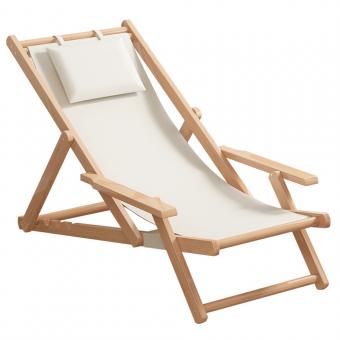
ブランド : 安徽省ファイステル工場 製造業の関連 : OEMとODM 製品 : このキャンプ用折りたたみ式木製ラウンジチェアは、頑丈なフレーム、人間工学に基づいたリクライニング デザイン、コンパクトな折りたたみ構造を特徴としており、ビーチ、キャンプ場、裏庭でのリラックスに最適です。
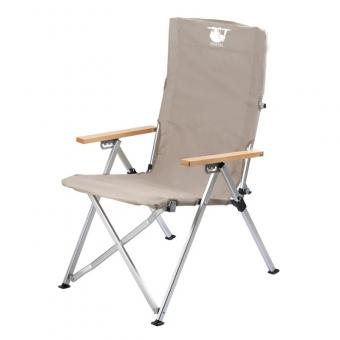
ブランド : 安徽省ファイステル工場 製造業の関連 : OEMとODM 製品 : この屋外用折りたたみアルミフレーム キャンプ チェアは、調節可能な背もたれと軽量ながらも丈夫なデザインが特徴で、キャンプ、ビーチ旅行、ピクニック、屋外でのリラックスに持ち運びやすく快適です。
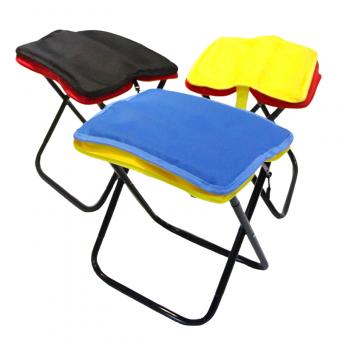
ブランド : 安徽省フェイステル工場 製造業と関連 : OEMとODM 製品 : ハイキング用バックパッキング ミニ スツールは、耐久性のあるオックスフォード生地の折りたたみ式デザインとクリエイティブなペンケース ポケットを組み合わせ、キャンプやアウトドア アドベンチャーに携帯性、快適性、実用性を提供します。
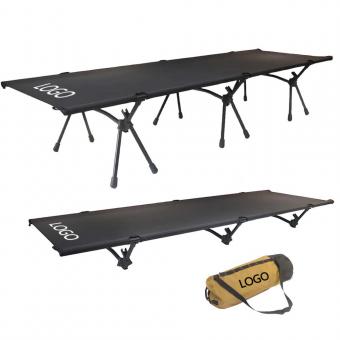
ブランド : 安徽省ファイステル工場 製造業の関連 : OEMとODM 製品 : 卸売ハイキング用品旅行用寝具は、高さ調節可能な折りたたみ式キャンプ用簡易ベッドで、頑丈なサポート、持ち運びやすさ、屋外での冒険に快適な休息を提供します。
ブランド: ANHUI FEISTEL FACTORY 関連製造業: OEM & ODM 製品:耐久性のあるフレーム、簡単なセットアップ、旅行に便利なキャリーバッグを備え、バックパッキングに最適な屋外用超軽量シングルコンパクトポータブル折りたたみキャンプベッドです。
接続を維持しましょう :