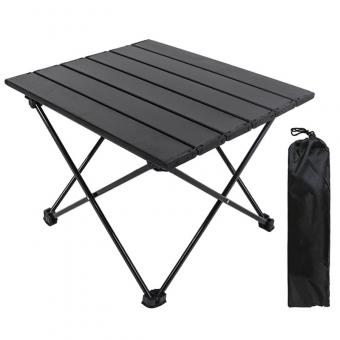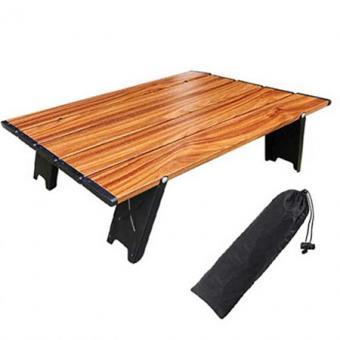
軽量小型屋外折りたたみピクニックテーブル
ブランド:安徽省FEISTEL FACTORY 関連製造: OEM & ODM 商品名:アウトドアに最適な軽量、小型、折りたたみ可能なピクニックテーブル。耐久性のある素材で作られており、持ち運びが簡単で、セットアップも簡単です。
ニール私たちのウェブサイトへようこそ!
もっと詳しく知るアウトドア愛好家が従来のテントキャンプに代わる軽量で多用途で快適な選択肢を求めるにつれ、 ハンモックキャンプ 人気の選択肢として浮上しています。初心者にとって、地上睡眠から空中睡眠への移行は困難に思えるかもしれませんが、適切な指導があれば、 シングルハンモック キャンプ 比類のない利便性と快適さを提供します。この包括的なガイドでは、適切なギアの選び方から吊り下げテクニックの習得まで、初めてのハンモックキャンプシステムの設置に必要なすべてを網羅しています。
平らで整地された地面を必要とする従来のテントキャンプとは異なり、 ハンモックキャンプ 木やその他の頑丈な支柱を利用して吊り下げ式の寝床を作ります。この方法にはいくつかの明確な利点があります。岩だらけの地形や起伏のある地形でも問題がなく、地面に生息する昆虫から身を守り、暖かい季節でも優れた通気性を確保し、多くの人にとってより快適な睡眠を提供します。
基本的な ハンモックキャンプのセットアップ ハンモック本体、サスペンションシステム、断熱材という3つの主要部品で構成されています。それぞれの部品が、安全で快適な夜間システムの構築に重要な役割を果たします。モダン キャンプ用ハンモック シンプルな裏庭用ラウンジャーから、アウトドア愛好家向けに特別に設計された洗練されたシェルターへと大きく進化しました。
シングルハンモックキャンプ 多様なアウトドア愛好家にアピールします。
バックパッカー バックパックの重量とかさばりを最小限に抑えることを目指している
自転車旅行者 コンパクトなシェルターの選択肢が必要
カヤックとカヌー 平地が限られている地域でのキャンプ
ミニマリストキャンパー シンプルさと自然とのつながりを大切にする人々
横向き寝 従来の寝袋が不快だと感じる人
あなたの特定のニーズを理解することは、あなたの冒険に最も適したハンモック システムを選択するのに役立ちます。
ハンモック自体がシステムの基盤として機能します。 シングルハンモックキャンプ 通常は、 シングルハンモック (1人用)と ダブルハンモック (一人の方が快適に座れる幅広タイプ)。主な考慮事項は以下のとおりです。
材質と構造:
高品質のキャンプ用ハンモックのほとんどは、次のような耐久性のある軽量な生地で作られています。
リップストップナイロン
または
パラシュートナイロン
これらの材料は優れた
強度対重量比
通気性と速乾性も維持しながら、耐久性を高めています。三重ステッチの縫い目と補強された取り付けポイントを備えたハンモックをお探しください。
サイズと寸法:
最適な快適性を得るには、ハンモックの長さは少なくとも9フィート(約2.7メートル)必要ですが、多くのキャンパーはよりフラットな寝姿勢が取れる10~11フィート(約3.4~3.4メートル)のモデルを好みます。幅は通常、シングルハンモックで4.5フィート(約1.2メートル)、ダブルハンモックで6フィート(約1.8メートル)です。
ダブルハンモック
斜めに寝ることができるため、より平らで快適な寝心地が得られます。
統合機能:
多くの現代の
キャンプ用ハンモック
内蔵の虫よけネット、ギア収納ポケット、リッジラインなどを備えています。
統合された虫よけネット
蚊の多い地域でのキャンプに特に便利です。蚊帳を別に用意する手間をかけずに、完全な保護を提供します。内部の収納ポケットには、ヘッドランプ、携帯電話、メガネなどの小さな必需品を収納でき、夜通し簡単に取り出せます。
その サスペンションシステム ハンモックを木やその他のアンカーに固定します。この重要な部品は、強度、信頼性、そして調整のしやすさが求められます。一般的な吊り下げ方法には以下のようなものがあります。
シンチバックル付きストラップ:
最も初心者に優しい選択肢として広く考えられている
ツリーストラップ
シンチバックル付きのものは使いやすく、樹木へのダメージを最小限に抑えます。これらのシステムは通常、樹木に巻き付けるナイロンまたはポリエステル製のストラップで構成されており、バックルで簡単に長さを調節できます。圧力を分散し、樹皮を保護するために、少なくとも1インチ幅のストラップを選びましょう。
ウーピースリングと連続ループ:
最小限の重量で最大限の調整を求める経験豊富なハンモックキャンパーのために、
ウーピースリング
洗練された機能性を備えています。高強度ダイニーマまたはアムスチール製のこれらの調節可能なループは、事実上無限の調節範囲を提供しますが、適切に使用するにはより多くの知識が必要です。
カラビナと結び目システム:
ミニマリストのキャンパーの中には、登山用グレードのものを好む人もいます
カラビナ
様々な結び方があります。この方法は重量を軽減できますが、結び方の専門知識が必要であり、初心者には適さないかもしれません。
周囲の暖かい空気を閉じ込めるテントとは異なり、ハンモックは四方八方から空気が循環します。そのため、極端に暑い環境以外では、快適に過ごすためには適切な断熱性が不可欠です。
アンダーキルト:
アン
アンダーキルト
ハンモックの下に吊るすことで、断熱されたエアポケットが作られ、体の下で圧迫されることなく暖かさを閉じ込めます。これは、ハンモックキャンプにおいて最も効果的で快適な断熱方法と広く考えられています。アンダーキルトには様々な耐熱性があり、
3シーズンモデル
通常、-6 ~ 4°C (20 ~ 40°F) まで耐えられます。
寝袋:
伝統的
寝袋
ハンモックにも使用できますが、夜間にずれてしまう傾向があります。この用途では、フォームパッドよりもインフレータブルパッドの方が断熱性に優れています。キャンプをする人の中には、スリーピングパッドを固定するためのポケットが付いた専用の二重構造のハンモックを使用する人もいます。
上部断熱材:
標準的な寝袋はハンモックの上部断熱材として十分機能しますが、経験豊富なハンモックキャンパーの多くは
トップキルト
基本的には背もたれのない寝袋で、調整が簡単で、寝袋の下に不要な素材を置かなくて済みます。
必ずしも必要ではありませんが、いくつかのアクセサリを使用すると、 ハンモックキャンプ体験 :
構造稜線:
あ
構造上の尾根線
ハンモックの両端を結ぶ固定長のコードで、吊り下げた状態に関係なく最適なたるみを保ちます。これにより、常に快適な座り心地が保たれ、虫よけネット、タープ、ギアオーガナイザーなどの追加ギアの配置も容易になります。
レインタープ:
防水
レインシート
雨から大切な保護を提供します。タープには様々な形状(六角形、長方形、冬用)とサイズがあり、大型モデルは嵐の天候でもより広い範囲をカバーします。多くのタープには複数のアタッチメントポイントがあり、多様な設営方法に対応します。
ギアの整理:
ハンモックの下に吊るすシンプルなギアスリングから、小物用の頭上オーガナイザーまで、さまざまなアクセサリが、夜を通して必需品を整理して取り出しやすくするのに役立ちます。
成功 ハンモックキャンプ 適切なサイトの選択から始まります。
ツリーの要件:
健全な生木を、約3.7~4.5メートル間隔で探しましょう。それぞれの木は、体重を安全に支えられるよう、直径が少なくとも15インチ(約15cm)以上である必要があります。枯れた木や目に見える損傷のある木は、構造的に健全ではない可能性があるため、避けましょう。
地形の考慮:
ハンモックは平らな地面を必要としませんが、吊るす場所の下の環境には十分注意してください。危険なゴミ、蟻塚、水たまりのある場所は避けてください。緩やかな傾斜であれば問題ありませんが、雨天時の流出にご注意ください。
環境責任:
常に従おう
痕跡を残さない原則
ハンモックキャンプの際は、樹皮へのダメージを最小限に抑えるため、幅広のストラップを使用し、若い木や傷みやすい木にはぶら下がらないようにし、枝を切ったり植生を伐採したりして、キャンプサイトを改造しないでください。
快適性と安全性を確保するには、適切な吊り下げ技術が重要です。
ストラップを取り付ける: 包む ツリーストラップ 各木の周囲を目の高さ(高さ5~6フィート)で囲みます。ストラップが樹皮に平らに接し、ねじれていないことを確認してください。
ハンモックを接続する: カラビナまたは付属のアタッチメントシステムを使用して、ハンモックの端をストラップに取り付けます。接続ポイントは両方の木でほぼ同じ高さになるようにしてください。
適切なたるみを実現する: ハンモックは、横から見てストラップと木の間の角度が約30度になるように、かなりたるんだ状態で吊り下げる必要があります。こうすることで、斜めに寝転がれる快適なバナナ型のカーブが生まれます。
テストと調整: ハンモックに座って、高さと張り具合を確かめましょう。ハンモックは、楽に入ることができる程度に低く、横になった時に地面に触れない程度の高さにする必要があります。断熱材やその他の部品を追加する前に、必要に応じて調整してください。
ハンモックを適切に吊るしたら、次の手順に従ってください。
防水シートの取り付け:
ストリング
レインシート
ハンモックの稜線を越えてタープを張り、ハンモックの両端を覆うようにしてください。晴天時は、視界と通気性を確保するためにタープを高く張ることができます。雨が予想される場合は、タープを低く、ハンモックに密着させて張ってください。タープの向きを決める際は、風向きを考慮してください。
バグネットの展開:
別の
虫よけネット
一体型ではなく、ハンモックに入る前にハンモックのリッジラインに掛けてください。完全に密閉されていることを確認し、底の端を断熱材の下に折り込むか、重しを乗せて虫の侵入を防ぎましょう。
ハンモックキャンプを初めて経験する人は、快適な寝姿勢を見つけるのに苦労することが多いです。ハンモックの中心線に平行に寝る(バナナのようなカーブを描く)のとは異なり、経験豊富なハンモッククライマーは斜めに寝ます。この姿勢は、体をほぼ水平に寝かせます。
ハンモックに入り、いつものように中央に座ります。
頭と足がハンモックの反対側に向くように、徐々に体を動かします。
背中が心地よく平らになるまで調整します。
小さな調整が快適さに大きな影響を与えます。
高さのバリエーション:
ハンモックの片方の端を少し上げたり下げたりすることで、体の特定の部分にかかる圧力を軽減できます。横向きで寝る人の多くは、頭側の端を少し高くすることを好みます。
尾根線の張力:
使用する場合
構造上の尾根線
ハンモックのたるみ具合は、リッジラインの長さによって決まります。ほとんどのハンモックでは、リッジラインの長さはハンモック全長の約83%が最適です。お好みに合わせて、リッジラインの長さを少し調整してください。
枕に関する考慮事項:
キャンプをする人の中には、ハンモックを適切に設置すれば枕はほとんど必要ないと感じる人もいれば、小さなキャンプ用枕や、衣類を詰めたスタッフサックを首や膝の下に置くことを好む人もいます。
ほとんど ハンモックキャンプ 春、夏、秋に発生します。季節ごとに考慮すべき事項が異なります。
春/秋: 気温が下がるにつれて断熱性に注目してください。 3シーズン用アンダーキルト 適切な上部断熱材は不可欠です。風を遮断するためにドアを閉められる大きめのタープを検討してください。
夏: 通気性を最優先にしましょう。温暖な気候では、断熱材を薄めにしたり、全く使用しないこともあります。虫よけ対策は非常に重要です。夏にハンモックでキャンプをする人の中には、風を遮断しながら最低限の断熱効果しか得られない「サマーウェイト」のアンダーキルトを使用している人もいます。
冬 ハンモックキャンプ 追加の予防措置が必要です:
強化された断熱性: 冬季対応の アンダーキルト 極寒の環境では、上部の断熱材を複数層に重ねて使用することも可能です。さらに保温性を高めるために、層の間にフォームパッドを追加するキャンパーもいます。
風雪管理: ドア付きの4シーズン対応タープは、風で吹き飛ばされる雪から身を守るのに不可欠です。地面から低い位置に張ることで、暖かさを閉じ込めます。さらに防風効果を高めるために、タープの周りに雪の壁を作るのも良いでしょう。
結露制御: テントよりも通気性に優れていますが、ハンモックは冬場は結露が発生することがあります。タープの下に十分な空気の流れを確保し、暖かさを保ちましょう。
適切な木がない場合、経験豊富なハンモックキャンパーは創造的な代替手段を採用します。
車両アタッチメント: 多くのハンモックは車両に取り付けることができ、一方の端を木に、もう一方の端をルーフラックまたはトレーラーに取り付けることができます。
ポータブルスタンド: 様々な ポータブルハンモックスタンド どこにでも設置できます。特にビーチでのキャンプや木のない場所で便利です。
シングルアンカーシステム: 専用のポールやトレッキングポールを使用すると、三脚構成を使用してシングルアンカーセットアップを作成できます。
常に機器を尊重してください 重量容量 高品質なキャンプ用ハンモックのほとんどは300~400ポンド(約130~200kg)の耐荷重を備えていますが、お使いのモデルの定格をご確認ください。定期的にシステム全体を点検し、特に縫い目、ストラップ、カラビナに摩耗がないか確認してください。
それらの利点にもかかわらず、 ハンモック ハードシェルシェルターに比べ、悪天候からの保護力は劣ります。過酷な状況に備え、バックアッププランを用意しておきましょう。常に天気予報を確認し、必要に応じて別のシェルターを探す準備をしておきましょう。
高台で寝れば地上の生き物からある程度は守られますが、野生動物との遭遇を完全に防ぐことはできません。適切な食料の保管は不可欠です。クマのいる地域では、シェルターの種類に関わらず、推奨されるすべての予防措置に従ってください。
シングルハンモックキャンプ 多くの人が従来のテントキャンプよりも優れていると感じる、ユニークで快適な屋外睡眠アプローチを提供します。最初は慣れるまで大変に感じるかもしれませんが、この包括的なガイドに従えば、すぐに基本をマスターできます。
まずはキャンプの基本的な環境に適した高品質な装備から始め、裏庭などの管理された環境で設営を練習し、徐々に好みに合わせてシステムを改良していきます。調整を重ねるごとに、理想の吊り下げ式サンクチュアリの実現に近づいていきます。
覚えておいてください ハンモックキャンプ 装備だけでなく、心構えも重要です。柔軟性、周囲との一体感、そして木々に囲まれた場所で眠ることで得られる独特の快適さを、ぜひ体感してください。適切な準備と練習をすれば、なぜ今まで地面で寝ていたのか、すぐに不思議に思うでしょう。
経験を積むにつれて、自分の好みやテクニックが発達し、 ハンモックキャンプ あなただけの特別な設営。初心者からハンモックキャンプのベテランまで、比類なき星空観察、優しく揺らめく風、そして自然に包まれて心地よく眠ることで得られる深い安らぎに満ちた夜をお届けします。
カテゴリ
ブランド:安徽省FEISTEL FACTORY 関連製造: OEM & ODM 商品名:アウトドアに最適な軽量、小型、折りたたみ可能なピクニックテーブル。耐久性のある素材で作られており、持ち運びが簡単で、セットアップも簡単です。
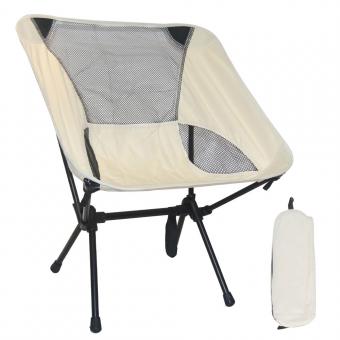
ブランド : 安徽省ファイステル工場 製造業の関連 : OEMとODM 製品 : カスタム軽量メタルアイアン折りたたみ式ムーンチェアは、耐久性のあるサポートと快適さを提供し、屋外キャンプに最適で、持ち運びや保管が簡単なコンパクトでポータブルなデザインです。
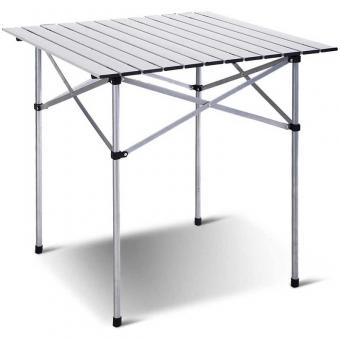
ブランド:安徽省FEISTEL FACTORY 関連製造: OEM & ODM 製品:アウトドアポータブル折りたたみロールアップピクニックテーブル:高さ調節可能、セットアップが簡単、キャンプ、ピクニック、アウトドアアクティビティ用のコンパクトなキャリーバッグを備えた軽量で耐久性のあるアルミニウムデザイン。
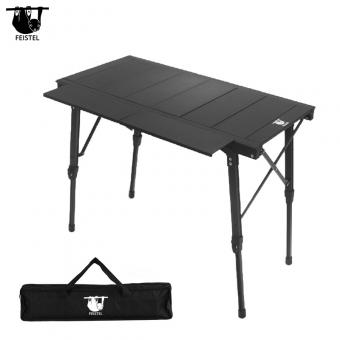
ブランド:安徽省FEISTEL FACTORY 関連製造: OEM & ODM 商品名:高さ調節可能な脚が付いた、多用途でポータブルな IGT BBQ キャンプテーブル。アウトドアクッキング、キャンプ、ピクニックなどに最適です。軽量で折りたたみ可能で持ち運びが簡単です。
ブランド:安徽省FEISTEL FACTORY 関連製造: OEM & ODM 商品名:キャンプやビーチ、アウトドアなどに最適な、コンパクトで軽量なアルミ製折りたたみテーブルです。持ち運びが簡単で丈夫なので、食べ物や飲み物を入れるのに最適です。
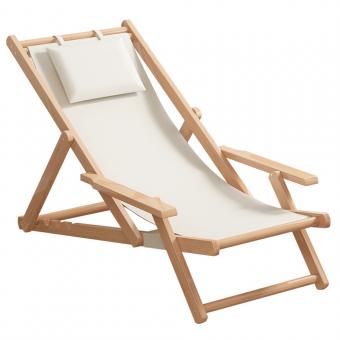
ブランド : 安徽省ファイステル工場 製造業の関連 : OEMとODM 製品 : このキャンプ用折りたたみ式木製ラウンジチェアは、頑丈なフレーム、人間工学に基づいたリクライニング デザイン、コンパクトな折りたたみ構造を特徴としており、ビーチ、キャンプ場、裏庭でのリラックスに最適です。
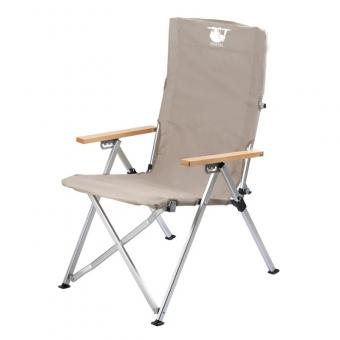
ブランド : 安徽省ファイステル工場 製造業の関連 : OEMとODM 製品 : この屋外用折りたたみアルミフレーム キャンプ チェアは、調節可能な背もたれと軽量ながらも丈夫なデザインが特徴で、キャンプ、ビーチ旅行、ピクニック、屋外でのリラックスに持ち運びやすく快適です。
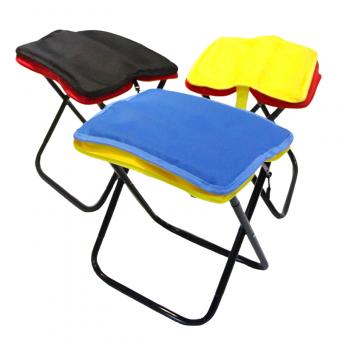
ブランド : 安徽省フェイステル工場 製造業と関連 : OEMとODM 製品 : ハイキング用バックパッキング ミニ スツールは、耐久性のあるオックスフォード生地の折りたたみ式デザインとクリエイティブなペンケース ポケットを組み合わせ、キャンプやアウトドア アドベンチャーに携帯性、快適性、実用性を提供します。
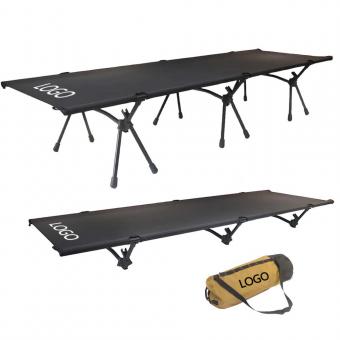
ブランド : 安徽省ファイステル工場 製造業の関連 : OEMとODM 製品 : 卸売ハイキング用品旅行用寝具は、高さ調節可能な折りたたみ式キャンプ用簡易ベッドで、頑丈なサポート、持ち運びやすさ、屋外での冒険に快適な休息を提供します。
ブランド: ANHUI FEISTEL FACTORY 関連製造業: OEM & ODM 製品:耐久性のあるフレーム、簡単なセットアップ、旅行に便利なキャリーバッグを備え、バックパッキングに最適な屋外用超軽量シングルコンパクトポータブル折りたたみキャンプベッドです。
接続を維持しましょう :