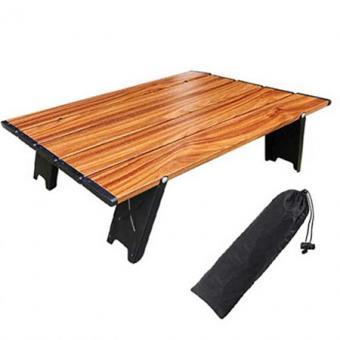
軽量小型屋外折りたたみピクニックテーブル
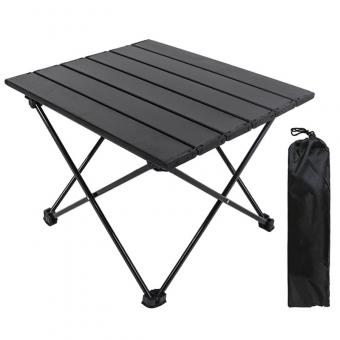
ブランド:安徽省FEISTEL FACTORY 関連製造: OEM & ODM 商品名:アウトドアに最適な軽量、小型、折りたたみ可能なピクニックテーブル。耐久性のある素材で作られており、持ち運びが簡単で、セットアップも簡単です。
ニール私たちのウェブサイトへようこそ!
もっと詳しく知る
アメリカのアウトドアレクリエーション市場は、非常に競争が激しい。フロリダの砂浜からメイン州の岩だらけの海岸線まで、アメリカの消費者はビーチ用品に関して無数の選択肢を持っている。では、あなたのブランドはどのように差別化を図るのだろうか?
答えは戦略的な製品差別化にある。 アルミ製ビーチベッド キャンパー、海水浴客、アウトドア愛好家の間で急速に成長しているこの分野において、ロゴの配置やカラーオプションによるカスタムブランディングは、もはや贅沢品ではなく、必需品となっている。
このガイドでは、カスタマイズオプションの理解から、サプライヤーの要件への対応、よくある落とし穴の回避まで、米国市場向けにアルミ製ビーチコットをブランディングするために必要なすべてを解説します。
アメリカの消費者は、ありきたりな製品以上のものを求めている。彼らは、自分の個性、ライフスタイル、そしてますます重視される価値観を反映した製品を求めている。アルミ製ビーチベッドを販売するブランドにとって、カスタマイズは3つの明確な利点をもたらす。
カスタムロゴを ビーチ用ベビーベッド 商品をブランド資産へと変貌させます。顧客がビーチやキャンプ場であなたのベビーベッドを設置するたびに、あなたのロゴが人々の目に触れることになります。この受動的なマーケティングは、時間をかけてブランド認知度を高め、顧客をブランドアンバサダーへと変えていきます。
カスタマイズされた製品は、より高い価格で販売できます。ブランドロゴが入った、丁寧にデザインされたビーチベッド(色使いやロゴの配置が統一されているなど)を目にした消費者は、より高い価値を感じます。この認識こそが、高価格設定を正当化し、利益率を守ることにつながります。
ブランド製品は、顧客との感情的なつながりを生み出します。色選びやロゴの視認性など、自分だけの特別なアイテムに投資することで、顧客はブランドへの忠誠心を育みます。この忠誠心は、リピート購入や口コミによる紹介へとつながります。
カスタマイズに取りかかる前に、製品の基本的な仕様を理解することが不可欠です。これらの特性は品質を決定づけ、カスタマイズに関する意思決定の指針となります。
フレームはビーチベッドの要となる部分です。アメリカ市場では、アルミニウム合金製のフレームが標準となっていますが、それには十分な理由があります。
アルミニウム合金フレームは、軽量性と携帯性、そして構造的な強度という魅力的な組み合わせを提供します。しっかりとした作りのアルミニウム製ビーチコットの重量は通常約 3.2 kg (7 ポンド) 最大で 150 kg (330 ポンド) ユーザーの体重 この強度対重量比は約 従来の鉄骨フレーム製ベビーベッドより30%優れている アルミニウムは、携帯性を重視するアメリカの消費者にとって明らかに最適な選択肢となる。 。
プレミアムな位置付けのために、アップグレードを検討してください 6061-T6アルミニウム合金 あるいはアルミニウム・チタン複合材など。これらの先進的な材料は、軽量性を維持しながら、耐食性を向上させます。耐食性は、塩水噴霧によって劣った金属が損傷を受ける海岸環境において非常に重要です。 。
寝面はフレームと同じくらい重要です。ほとんどの高品質のアルミ製ビーチコットは 210デニール オックスフォードポリエステル 耐水性コーティング この生地は、耐久性(210Dは優れた引き裂き強度を提供)と通気性をバランス良く兼ね備えており、暖かい環境下でも快適に着用できます。
高級セグメントをターゲットとするブランドは、生地のグレードアップを検討してみましょう。
600Dオックスフォード 重量は増すが耐久性に優れ、レンタル車両や高頻度使用の場面に最適。
リップストップ織り 強化された格子状パターンが裂け目の広がりを防ぎます
紫外線耐性コーティング 常に日光にさらされるビーチ用品には必須です。
アメリカの消費者は利便性を重視します。アルミ製のビーチベッドには、以下の点が求められます。
仕様
標準範囲
なぜそれが重要なのか
組み立て後のサイズ
190×65×35cm
平均的な米国成人の身長に対応
折りたたみ時のサイズ
70×25cm以下
車のトランクや収納クローゼットに収まります。
梱包重量
2.5~3.5kg
車からビーチまで持ち運びが簡単
セットアップ時間
2分以内
摩擦を軽減し、スムーズな使用を可能にします
プレミアムモデルは、折りたたんだ状態で非常にコンパクトになります。 60×20cm 重量は 2.5kg 高度なエンジニアリングと軍用グレードの素材を使用 。
ロゴのカスタマイズは、画一的なものではありません。ご予算、注文数量、品質へのご要望に応じて、いくつかの選択肢がございます。
スクリーン印刷は、メッシュ状のステンシルを通して生地の表面に直接インクを塗布する印刷方法です。この方法は大量生産に適しており、コスト効率が良く、鮮やかで不透明な色を表現できます。
熱転写とは、色付きビニールからロゴの形を切り抜き、それを熱で生地に押し付ける方法です。この方法は、複数の色を使った複雑なデザインに適しています。
最小注文数量 :スクリーン印刷よりも少ない数量(50~100枚)
最適 少量生産、多色デザイン
耐久性 : 良い点:ビニールは色褪せしにくい
料金 : 適度
織りラベルを生地に縫い付けることで、耐久性があり、プロフェッショナルな印象を与えるブランドマークが生まれます。この方法は、プレミアムなポジショニングに最適です。
最小注文数量 :500~1000個(ラベル別)
最適 複数の製品にわたって一貫したプレミアムブランドイメージ
耐久性 素晴らしい――ラベルは製品よりも長持ちする
料金 印刷方法よりも高い
最高級の用途では、刺繍によってロゴを生地に直接縫い付けます。これにより、質感のある高級感あふれる外観が生まれ、品質の高さを印象づけます。
最小注文数量 : 200~500個
最適 高級志向、厚手の生地
耐久性 : 非常に優れている - ほぼ永久的
料金 : 最高位のオプション
ほとんどのアルミ製ビーチコットのサプライヤーは、以下の価格からロゴのカスタマイズを提供しています。 100個 市場調査を行う小規模ブランド向けに、一部のメーカーは、ロゴを基本としたサンプル注文を、やや高めの単価で提供しています。生産を開始する前に、必ず最小注文数量(MOQ)を確認してください。
色のカスタマイズはロゴだけにとどまりません。多くのサプライヤーは生地のあらゆる色に対応しており、統一感のあるブランドイメージを構築できます。
ほとんどのサプライヤーは、標準的な生地色のライブラリを保持しており、通常は以下の色が含まれます。
ニュートラルな色調 黒、グレー、ネイビー、カーキ、オリーブ
明るい選択肢 赤、青、黄、オレンジ
パステルカラー ライトブルー、ピンク、ミントグリーン(ビーチ用品で人気上昇中)
特定の色要件を持つブランドにとって、パントンカラーマッチングは生産ロット全体で色の一貫性を保証します。ほとんどのサプライヤーはパントンカラーをマッチングできます。 最低注文数量は200~500個です。 さらに、別途セットアップ料金がかかります。
仕入先に提供すべきもの:
パントンカラー番号(例:特定の赤色を表すPMS 186 C)
色の見本または実物資料
許容範囲(生地のロットによって多少のばらつきがあるのは正常です)
単色以外にも、以下の点を考慮してください。
ツートンカラーのデザイン フレームと生地の色が異なる、またはコントラストのあるトリム
ストライプ柄 ビーチ用品に人気があり、クラシックな美学を醸し出している。
カスタムプリント :独自のパターンを実現する全面プリント(最低発注数量とコストが高くなります)
まずは準備から始めましょう。
ロゴファイルはベクター形式(AI、EPS、またはPDF)でお願いします。
ロゴと生地のパントンカラー
ロゴの配置場所(生地の中央、角、またはヘッドレスト部分)
目標注文数量
プロのヒント : リクエストする バーチャルモックアップ サンプル作成前に。多くのサプライヤーは、製品にロゴや色を表示したデジタルレンダリングを作成できるため、実際のサンプルを作成する前に調整を行うことができます。
物理サンプルによる検証:
色の正確性(生地と印刷)
ロゴのサイズと配置
印刷耐久性(傷つき試験)
製品の総合的な品質
サンプル費用は通常以下の範囲です。 50ドル~150ドル 初回大量注文時に返金されることが多いです。サンプル納期: 10~15日 カスタムカラーとロゴ 。
サンプルで確認すべき事項:
ロゴの色は、指定のパントンカラーと一致していますか?
ロゴは正しく配置され、中央揃えになっていますか?
印刷物は傷に強いですか?
様々な照明条件下で、生地の色は期待どおりですか?
サンプル承認後、生産が開始されます。500個未満の注文の場合、リードタイムは通常以下のようになります。 2~4週間 。
品質管理で確認すべきポイント:
ロゴの適用状況のランダム検査
全ユニットで色の一貫性を保つ
フレームと生地の品質
包装の正確性
特注品についても、標準注文と同様の配送上の考慮事項が必要です。
速達便 (DHL/FedEx/UPS): 緊急の小口注文は3~7日でお届け
航空貨物 中規模注文の場合、7~14日かかります。
海上輸送 コンテナ満載の場合、4~6週間かかります。
ブランド製品の場合は、 小売店向けパッケージ —販売時点でブランドイメージを強化する、特注のポリ袋、下げ札、または印刷済みの箱。
カスタマイズにはコストがかかります。構成要素を理解することで、効果的な予算編成が可能になります。
|
カスタマイズの種類
|
一般的な追加費用
|
最低発注数量(MOQ)要件
|
|
スクリーン印刷されたロゴ
|
1ユニットあたり0.50ドル~1.50ドル
|
100~200個
|
|
熱転写ロゴ
|
1ユニットあたり1.00~2.00ドル
|
50~100個
|
|
織りラベル
|
1台あたり0.75~1.50ドル+設置費用
|
500~1000個
|
|
単色変化
|
1ユニットあたり0.50~1.00ドル
|
200~500個
|
|
パントンカラーマッチング
|
セットアップ料金:50~100ドル
|
200点以上
|
|
ツートンカラーのデザイン
|
1ユニットあたり1.00~2.00ドル
|
300~500個
|
コスト削減戦略:
複数のカスタマイズを1つの注文に組み合わせる
標準カラーから始めてロゴを追加する
リピート注文で価格交渉を行う
単価を下げるには、最低発注数量(MOQ)を増やすことを検討してください。
アメリカのビーチとキャンプのシーズンは5月から9月までです。この期間を狙うには:
1月~2月までにご注文ください 3月/4月配送
第4四半期にサンプルを注文する 生産前にデザインを最終決定する
バッファ時間を組み込む 通関手続き(2~3週間)
米国の購入者が優先する事項:
紫外線対策 UPF(紫外線保護指数)の高い生地を探しましょう。
お手入れ簡単 洗濯機で洗える素材が望ましい
コンパクト収納 アパートやキャンピングカーに最適な、コンパクトに折りたためるサイズです。
耐久性 複数の季節に耐える製品
アルミ製ビーチベッドが米国規格に適合していることを確認してください。
ASTM認証 安全性と性能のために
鉛フリー、フタル酸エステルフリー 材料(CPSIA準拠)
カリフォルニア州プロポジション65に関する警告 カリフォルニア州での販売に必要な場合
間違い1:最低発注数量(MOQ)要件を無視する
一部のサプライヤーは最低発注数量(MOQ)を低く提示しますが、カスタマイズの要件を厳しく設定しています。必ず製品とカスタマイズの両方のMOQを確認してから取引を進めてください。
間違いその2:物理サンプルを省略する
デジタルモックアップでは、生地の質感、色の正確さ、印刷の耐久性を再現することはできません。量産前に必ず実物のサンプルを取り寄せてください。
間違い3:パッケージングを見落とす
製品のパッケージは、ブランド体験の一部です。ロゴ入りのシンプルなポリ袋など、カスタムパッケージは、製品の認知価値を高めます。
間違い4:色の仕様が一致していない
ロゴと生地の両方について、パントンカラー番号をご提供ください。「ネイビーブルー」は、サプライヤーによって意味する色が異なります。
カスタムロゴやカラーオプションによって、ありふれたアルミ製ビーチベッドが、認知度を高め、高価格を正当化し、顧客ロイヤルティを築くブランド資産へと変貌します。米国市場をターゲットとするブランドにとって、カスタマイズは価格競争と価値競争の分かれ目となるのです。
製品仕様を理解することで— アルミニウム合金フレーム 、 210デニールオックスフォード生地 、 耐荷重150kg そして、透明性の高い最小発注数量(MOQ)と質の高いサンプル提供プロセスを提供するサプライヤーと協力することで、混雑したアメリカの海岸で際立つブランド入りアルミ製ビーチベッドを市場に投入することができます。 。
アメリカの消費者は待っています。あなたのブランド――あなたの色、ロゴ、そして品質――は、人々の目に触れるに値するのです。
Q:アルミ製ビーチベッドにカスタムロゴを入れる場合、一般的な最小注文数量(MOQ)はどれくらいですか?
A: ほとんどのサプライヤーはロゴのカスタマイズを以下の価格で提供しています。
100個
スクリーン印刷または熱転写用
。
Q:量産前に、ロゴ入りのサンプルを注文することはできますか?
A: はい。信頼できるサプライヤーは、カスタムロゴを適用したサンプルプログラムを提供しています。サンプルの納期:
10~15日
費用は通常
50ドル~150ドル
(多くの場合返金可能)
。
Q:210Dと600Dのオックスフォード生地の違いは何ですか?
A:
210D
軽量で柔軟性にも優れているため、携帯製品に最適です。
600D
より重く、耐久性があり、頻繁な使用に適しています。どちらも防水性を備えています。
。
Q:特注のアルミ製ビーチベッドの製作にはどれくらい時間がかかりますか?
A: サンプル承認後、生産は通常
2~4週間
500個未満のご注文の場合
。
Q:高品質のアルミ製ビーチコットは、どのくらいの耐荷重を期待できますか?
A: 標準的なアルミ製ビーチベッドのサポート
120~150kg(265~330ポンド)
強化フレームを備えたプレミアムモデルは最大で
200kg
。
カテゴリ
ブランド:安徽省FEISTEL FACTORY 関連製造: OEM & ODM 商品名:アウトドアに最適な軽量、小型、折りたたみ可能なピクニックテーブル。耐久性のある素材で作られており、持ち運びが簡単で、セットアップも簡単です。
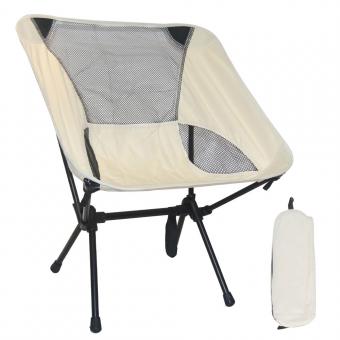
ブランド : 安徽省ファイステル工場 製造業の関連 : OEMとODM 製品 : カスタム軽量メタルアイアン折りたたみ式ムーンチェアは、耐久性のあるサポートと快適さを提供し、屋外キャンプに最適で、持ち運びや保管が簡単なコンパクトでポータブルなデザインです。
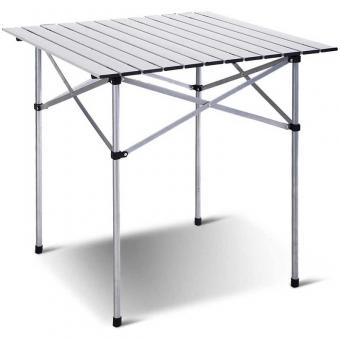
ブランド:安徽省FEISTEL FACTORY 関連製造: OEM & ODM 製品:アウトドアポータブル折りたたみロールアップピクニックテーブル:高さ調節可能、セットアップが簡単、キャンプ、ピクニック、アウトドアアクティビティ用のコンパクトなキャリーバッグを備えた軽量で耐久性のあるアルミニウムデザイン。
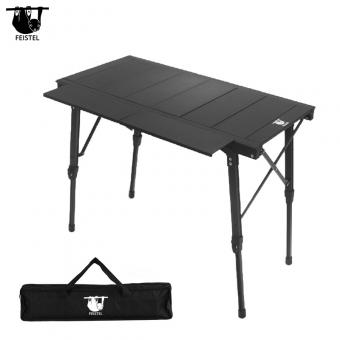
ブランド:安徽省FEISTEL FACTORY 関連製造: OEM & ODM 商品名:高さ調節可能な脚が付いた、多用途でポータブルな IGT BBQ キャンプテーブル。アウトドアクッキング、キャンプ、ピクニックなどに最適です。軽量で折りたたみ可能で持ち運びが簡単です。
ブランド:安徽省FEISTEL FACTORY 関連製造: OEM & ODM 商品名:キャンプやビーチ、アウトドアなどに最適な、コンパクトで軽量なアルミ製折りたたみテーブルです。持ち運びが簡単で丈夫なので、食べ物や飲み物を入れるのに最適です。
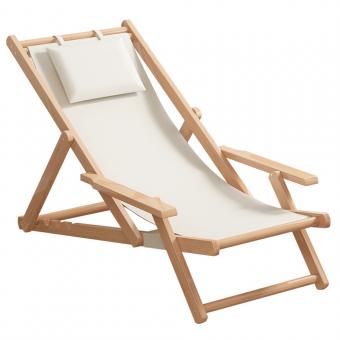
ブランド : 安徽省ファイステル工場 製造業の関連 : OEMとODM 製品 : このキャンプ用折りたたみ式木製ラウンジチェアは、頑丈なフレーム、人間工学に基づいたリクライニング デザイン、コンパクトな折りたたみ構造を特徴としており、ビーチ、キャンプ場、裏庭でのリラックスに最適です。
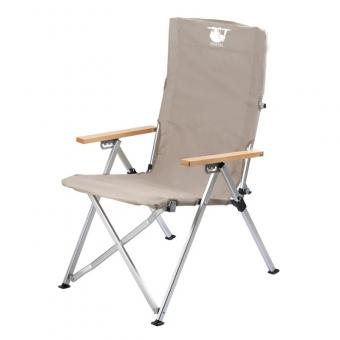
ブランド : 安徽省ファイステル工場 製造業の関連 : OEMとODM 製品 : この屋外用折りたたみアルミフレーム キャンプ チェアは、調節可能な背もたれと軽量ながらも丈夫なデザインが特徴で、キャンプ、ビーチ旅行、ピクニック、屋外でのリラックスに持ち運びやすく快適です。
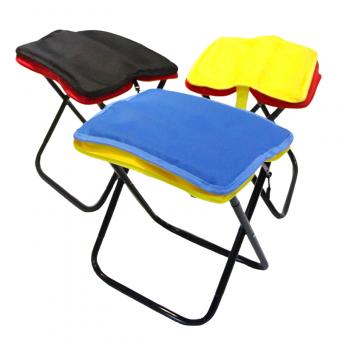
ブランド : 安徽省フェイステル工場 製造業と関連 : OEMとODM 製品 : ハイキング用バックパッキング ミニ スツールは、耐久性のあるオックスフォード生地の折りたたみ式デザインとクリエイティブなペンケース ポケットを組み合わせ、キャンプやアウトドア アドベンチャーに携帯性、快適性、実用性を提供します。
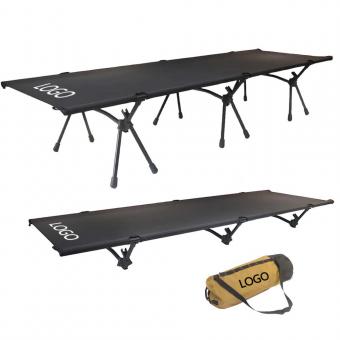
ブランド : 安徽省ファイステル工場 製造業の関連 : OEMとODM 製品 : 卸売ハイキング用品旅行用寝具は、高さ調節可能な折りたたみ式キャンプ用簡易ベッドで、頑丈なサポート、持ち運びやすさ、屋外での冒険に快適な休息を提供します。
ブランド: ANHUI FEISTEL FACTORY 関連製造業: OEM & ODM 製品:耐久性のあるフレーム、簡単なセットアップ、旅行に便利なキャリーバッグを備え、バックパッキングに最適な屋外用超軽量シングルコンパクトポータブル折りたたみキャンプベッドです。
接続を維持しましょう :