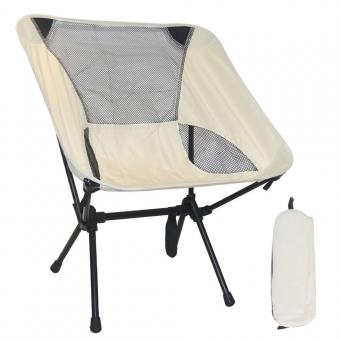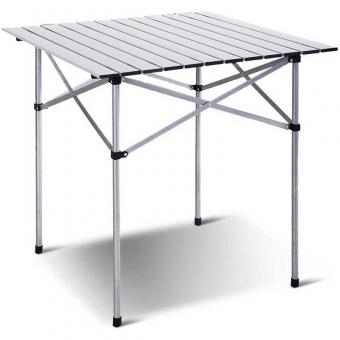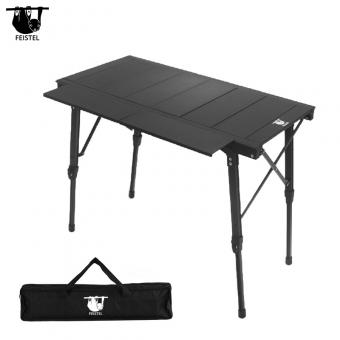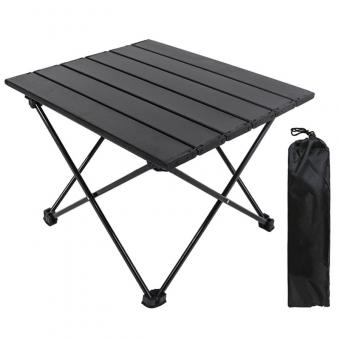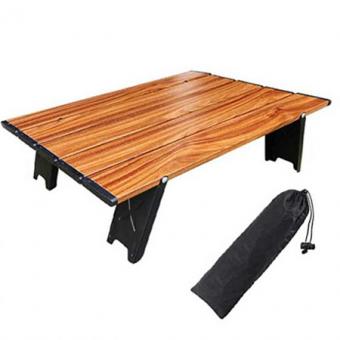
ブランド:安徽省FEISTEL FACTORY 関連製造: OEM & ODM 商品名:アウトドアに最適な軽量、小型、折りたたみ可能なピクニックテーブル。耐久性のある素材で作られており、持ち運びが簡単で、セットアップも簡単です。
ニール私たちのウェブサイトへようこそ!
もっと詳しく知るA practical guide from FEISTEL, a China-based outdoor products manufacturer, for anyone choosing a stand-supported hammock setup.
Choose by actual hammock compatibility rather than assuming every stand fits every bed.
Measure assembled footprint, user clearance, and packed dimensions separately.
Look for a model-specific published load rating and verify its scope before commercial claims.
Steel finish, joints, feet and ground conditions influence care and stability.
A portable leisure set does not automatically include overnight rain or insulation equipment.
FEISTEL’s current steel stand-and-hammock listing describes five height settings and a stated 450 lb rating for its specified configuration.
A hammock stand solves the problem of missing or unsuitable anchors. That benefit is most obvious on a patio, in a managed campground, on a balcony approved for such equipment, or in a garden without appropriately spaced trees. However, the best stand is not simply the most expensive or the one carrying the largest advertised capacity. The correct choice supports the exact hammock geometry, fits the available ground space, and can be assembled and used as instructed.
For FEISTEL buyers, the first decision is whether the customer wants occasional relaxation, long-duration overnight use, or a fixed leisure installation. A car camper can reasonably accept a heavier frame than a long-distance backpacker. A resort operator may care more about repeatability and maintenance than packed size. These are different purchasing problems and should not be forced into one overall winner.
We use “best” as a contextual recommendation, not as a claim of laboratory superiority over every competing product. A product ranking should identify the scenario, comparison criteria and limitations. If a measured test has not been performed for the model, the page should say so instead of substituting promotional superlatives.
A portable stand is intended to be disassembled or folded for movement and storage. A backyard stand may sacrifice transport convenience for footprint, appearance or an installation suited to extended use. Portability is a spectrum rather than a binary feature. A system that fits in a car trunk might still be impractical for hiking several kilometers.
Evaluate disassembled length, bag dimensions, number of loose parts, assembled footprint and weight. If the product requires special tools or two people to assemble, those conditions are part of the user experience. “Portable” without an actual packing description tells shoppers little about whether the equipment suits their trip.
For private-label orders, decide how customers will transport the stand. Vehicle camping, balcony storage and shipping by courier lead to different packaging requirements. We would not label a substantial steel stand an ultralight backpacking frame simply because it includes a carry bag.
A complete hammock-and-stand set can reduce compatibility uncertainty because its components are specified together. A stand-only purchase offers flexibility to customers who already own a hammock, provided the bed fits its span, attachment style and supported load. Both arrangements can be useful.
The word “complete” must be checked against the package list. Some listings include a fabric bed, stand and bag but exclude weather covers or padding. Even a hammock-and-stand package designed for leisure is not necessarily a complete overnight shelter.
As a manufacturer, FEISTEL should list every supplied component and keep packaging photography consistent with the shipping configuration. A user should not discover at home that the pictured bag, chain or hook belongs to a different option.
Vehicle-accessible camping can be a strong use case for a portable stand. The user may be staying in a treeless area or at a campground where hanging from trees is restricted. A stand allows the resting spot to be located with more freedom, subject to level ground and local rules.
The trade-off is transportation mass and bulk. An assembled steel stand may be easy to enjoy once installed but awkward to move across soft sand, steep ground or a crowded campsite. Measure the packed structure against actual vehicle space rather than relying on the product title.
Campers should still plan for wind, rain and thermal protection where needed. A leisure stand provides attachment points; it does not automatically turn a hammock into a protected tent or sleeping shelter.
Small patios require more thought than a length measurement. A stand needs a full operating footprint, clearance for a moving fabric bed, and space for entering and exiting. A frame may technically fit between two walls yet leave no usable path around it.
Measure assembled length and width, plus the likely swing envelope. Check the base against doors, table corners, planters and accessible routes. Do not assume that “space-saving” guarantees suitability for a particular balcony or terrace.
Before using a stand on an elevated surface, verify that the supporting surface can handle its actual loading and that installation is permitted. A hammock stand is not permission to overload a balcony or to fasten accessories to unverified rails.
In a large garden the design priorities may shift toward everyday convenience, appearance, weathering and comfortable access. Portability may become less important than predictable setup and the ability to clean or relocate the unit seasonally.
Choose a stand that fits its actual hammock style. A wide gathered-end bed may hang differently from a spreader-bar hammock, even when the published bed lengths appear similar. Placement should avoid low branches, hard obstacles and unstable ground.
A backyard buyer may prefer a matched hammock-and-stand package because the assembled look and operating geometry can be previewed as a system. Nevertheless, anchoring, rating and care instructions still apply.
Open beaches are attractive for hammocks but often lack suitable anchors. A stand can provide a solution where local regulations permit it. Sand, salt-laden moisture and wind create specific challenges, and not every portable frame is suitable for these conditions.
A stable surface matters. A frame may settle unevenly if its contact points sink into soft sand. Metal hardware should be cleaned and dried according to product instructions after exposure to grit and moisture. Avoid assuming that a coated metal frame is immune to corrosion.
Beach suitability should be described as an intended-use question, not an absolute waterproof or all-terrain guarantee. Local restrictions, wind forecasts and ground stability must take priority over scenic photographs.
RV and van travelers may value a stand because it can be set up at campsites without the right trees. Yet exterior storage compartments and cargo capacity are constrained, even when a vehicle is available.
Measure each packed pole or beam rather than relying solely on carry-bag volume. Long components can be harder to stow than heavier but shorter components. Consider where muddy or wet pieces will be placed before re-entering the vehicle.
A stand also needs a safe site layout. Avoid blocking vehicle doors, service hookups or walking routes. Never improvise a hitch or vehicle attachment unless the system is specifically designed and approved for that installation.
A double hammock with stand can be attractive for shared leisure because it provides an easy place to rest together without selecting tree anchors. However, “double” does not establish that two adults can sleep comfortably through the night in one flexible bed.
The combined user load must remain within the applicable rating. Movement by one occupant changes the occupied geometry and may affect the other. Entry and exit should be controlled rather than sudden.
The FEISTEL stand-and-hammock listing describes a two-adult leisure configuration with a stated rating. We would present this as its published use case and still recommend checking the exact SKU documentation for commercial purchasing decisions.
A solo user may prefer a wide stand-supported hammock because it allows more room to change position. Another may want a smaller system to reduce footprint and simplify moving the stand from one side of the patio to another.
Comfort is not determined only by the stand. Fabric bed width, length, suspension height, fabric stretch and user body dimensions matter. Even a properly built frame can support a bed that feels wrong for a particular person.
For single-user product development, assess whether the frame offers sensible attachment adjustments for the intended hammock. The correct configuration can be simpler than a two-person package without being lower quality.
Overnight use requires a different standard of evaluation than occasional lounging. A stand must remain appropriate for the full duration and be compatible with the hammock and protection system the camper intends to use.
Bug netting, rain coverage and underside insulation may require additional clearances and attachment arrangements. Some leisure stands have support members that obstruct ridgelines or tarps. Test compatibility before relying on the system away from home.
A stand that performs well for afternoon rest is not automatically a complete sleeping shelter. We would avoid marketing it as a four-season camping system without the appropriate components and evidence.
Some lay-flat or bridge-type beds need more end clearance or different suspension geometry than typical gathered-end hammocks. A traditional curved stand can interfere with spreader bars, the fabric bed or protective covers.
Check end-loop distance, required attachment height, lateral bar clearance and the loading created by the recommended suspension. Model-specific fit is essential. Numbers taken from a different hammock cannot safely be transferred to a FEISTEL configuration.
When the intended hammock is not designed for a given stand, the correct action is to find a compatible structure, not to force the frame to fit. That limitation is more useful information than a claim that one stand works with every hammock.
Gathered-end hammocks curve naturally under body weight and are common in portable outdoor use. They can be paired with suitable stands when the attachment points, available span and clearance work together.
Do not rely only on the nominal unoccupied length of the fabric. The effective distance between hammock end connections and the required sag determine the usable stand geometry. Chains or adjustable hooks may provide some flexibility, but that flexibility has limits.
We recommend testing the actual hammock and frame as an assembled system. A model called universal should still list its dimensional and loading constraints.
Spreader-bar hammocks keep the fabric open laterally near the ends and may feel more exposed to movement. They can require particular end heights, support spans and side clearances.
A stand designed for a gathered bed cannot automatically accommodate a spreader bar of different dimensions. Check whether the bars strike the frame during entry, exit or movement.
A responsible product listing distinguishes compatible bed types rather than offering an unqualified universal-fit claim. The actual assembly instructions remain controlling.
A hanging chair uses a different suspension and support geometry from a full-length hammock bed. Chair stands are often compact and may use a single overhead point.
Do not substitute a chair stand for a full-length hammock or assume a bed stand can accept a swinging chair. Structural design and loading directions differ.
For merchandising, separate chair stands, full-length hammocks and matched sets. This avoids misleading category pages and makes product search results more useful.
We do not think it is responsible to assign one universal service-life figure to every hammock stand. A structure kept indoors between occasional weekends faces different conditions from a commercial stand left outdoors in coastal weather. Actual loading, movement, corrosion exposure and maintenance all influence the outcome. A theoretical 3,000-hour life cannot be transferred from a machine-tool component to a hammock stand.
Our engineering recommendation is to judge continued suitability through the model’s instructions and visible condition, while using the correct product-specific verification for any formal lifetime claim. Before use, customers should look for loosened connections, deformation, damaged welds, corrosion or other deterioration. Suspected structural damage is a reason to discontinue use and obtain appropriate assistance, not a reason to keep operating until an advertised hour count has been reached.
For B2B purchasing, service-life claims should identify the tested configuration, load pattern, environment, failure criteria and supporting records. In their absence, we favor straightforward care guidance over an impressive but unsubstantiated lifetime promise.
Steel is common in leisure stands because it can provide a robust structure in manageable component forms. Powder-coated or otherwise finished surfaces can improve resistance to environmental exposure, but the coating is not a guarantee against rust.
At FEISTEL, we look beyond the label “powder-coated steel.” A coating is a protective system, and the steel beneath it, its preparation and the conditions of outdoor exposure all matter. Research on powder coatings over hot-dip galvanized steel studied specimens under marine and industrial atmospheres and identified pretreatment as an important factor in coating performance [1]. This does not certify the finish on our particular stand. For a wholesale order, we recommend verifying the actual steel treatment and coating specification instead of translating a generic finish description into a rustproof guarantee.
Inspect welds, tube walls, junctions, fasteners and the protective finish. Corrosion often begins where a surface is scratched or moisture collects. Published material type alone does not establish durability.
FEISTEL’s stand listing identifies weather-resistant steel. That description should be supported by product-specific details when an importer needs a particular corrosion performance standard.
Aluminum structures can offer a different strength-to-weight balance from steel, but the result depends on alloy, section shape, wall thickness and connectors. A stand should not be judged by material name alone.
Some lightweight frames have complex joints or guyed supports; others rely on larger structural sections. A lighter frame is valuable only if its footprint and rating suit the intended use.
If FEISTEL develops an aluminum stand option, we would define target weight, packed dimensions and required load before selecting members. It would be inappropriate to infer a rating from alloy alone.
Wooden frames can complement gardens and resort landscapes, but timber species, treatment, joint construction and weather exposure substantially affect performance. They are often less convenient for compact transport.
Buyers should check assembly requirements, maintenance instructions, storage and the environmental suitability of the finish. Wood can move with moisture changes and needs appropriate care.
We would not claim that wood is intrinsically more durable or comfortable than steel. The hammock bed and geometry have separate effects on comfort, while each stand material creates different maintenance work.
The shape of a stand affects occupied clearance, load transfer and where its feet contact the ground. A decorative curve may suit a gathered hammock but interfere with certain structured beds.
Look beyond photographs. Check support span, tube positions, entry path, base width and whether the bed can swing without contacting the frame. A stand must be stable during ordinary use, not merely look balanced when empty.
For OEM specifications, dimensional drawings and an assembled sample are more informative than product renderings alone. The exact frame geometry belongs in the approved configuration.
There is no universal stand length for all hammock bodies. Useful span depends on the end-connection distance, desired sag, adjustment range and attachment geometry.
The important number is not necessarily the total tip-to-tip length of the frame. The distance between usable suspension points and their height can be more decisive.
Manufacturers should identify the hammock styles and relevant dimensional range for the exact stand. Buyers should verify fit rather than rely on the vague phrase “standard hammock size.”
Base width contributes to stability but does not provide a complete safety rating by itself. A wider footprint may resist tipping under some conditions while occupying more floor space.
Entry, lateral movement and unequal loading change how forces act on the frame. Foot placement and ground conditions also matter.
Stand designers should validate the assembled structure rather than assume that increasing width alone solves every stability problem. Patio users should measure the occupied footprint before purchase.
Height adjustment can allow users to find a workable seat height and bed sag within the frame’s intended range. This can improve ease of entry and accommodate variations in the supplied hammock body.
From our perspective, adjustability is worthwhile when it changes a real part of the user's experience, such as reaching the bed or getting out of it. A biomechanical study of 11 younger and 10 older adults found that progressively lower chair heights changed sit-to-stand movement patterns [3]. A suspended hammock is not a chair; its occupied height varies with fabric and user load. Therefore, this study supports checking entry and exit ergonomics but cannot prove that any particular FEISTEL height setting is universally comfortable or safer for older users.
FEISTEL’s listed steel stand describes five adjustment positions. Their existence is a published product feature, not proof that every height suits every user or hammock.
Use only approved attachment locations and configurations. Altering hooks or drilling extra holes can change structural behavior and should not be recommended as a casual fitting shortcut.
Adjustment holes, chains and hooks often make a stand seem compatible with more hammocks. However, adjustable does not mean infinitely adjustable. Every approved position changes the suspended geometry, and some positions may be limited by the bed type or manufacturer instructions. A chain can shorten effective suspension length, but it does not create missing clearance between a spreader bar and a frame leg. Likewise, raising the end connections may increase the height at which the occupant must enter the hammock. Customers should evaluate the usable adjustment range with the actual bed in place and occupied, not just count available settings. FEISTEL’s current steel stand lists five height options, which is a useful published feature, but each option remains subject to the product’s permitted arrangement. For OEM development, a more useful specification is the actual range of approved configurations than a headline number of adjustment positions.
A stand rating must be understood as a specification for the relevant assembly under defined conditions. A claim about a bed’s fabric is not automatically a claim about the stand, and vice versa.
If a hammock and stand have different stated load limits, the entire arrangement should not exceed the lowest applicable limit. Anchors, hooks, chains and other supplied components must be considered.
Our FEISTEL product page states up to 450 lb for a particular stand-and-bed configuration. We describe this as a published rating and recommend checking model-specific reports before turning it into an independent test claim.
A frame may appear secure when a person lies still yet react differently during entry, exit and side-to-side movement. Static load capacity and resistance to tipping are distinct characteristics.
A published static capacity is useful, but it answers a narrower question than service life. A meta-study involving thousands of fatigue tests on bolts and bolted connections found that stress characterization and production details materially affect fatigue resistance [2]. The study addresses civil-engineering connections, not our stand, so we use it to explain why a static load claim cannot substitute for finished-product cyclic testing. For FEISTEL's own products, only the relevant model-specific documentation can establish an approved performance claim.
Repeated assembly, movement and outdoor exposure can also affect joints over time. A short demonstration does not establish fatigue life.
For procurement, request an appropriate finished-product evaluation plan rather than extrapolating from one metal coupon test. Never promise a fixed service life without relevant evidence.
Hammock suspension creates forces in both horizontal and vertical directions. In a simple symmetric model, shallower suspension angles increase line tension because the same vertical body load has to be supported.
An often-mentioned 30-degree angle is a practical reference for certain gathered-end installations, not an interchangeable rule for every structured hammock and stand.
Follow the stand and hammock instructions as a matched system. Forcing a very shallow hang to achieve a flatter appearance can increase loads and create clearance problems.
A stand can be called portable yet remain too heavy for a long walk. Shoppers should distinguish a product easily moved between garage and patio from one suitable for foot travel.
Actual carrying convenience involves the longest packed component, carry-bag shape, total mass and the number of separate pieces.
FEISTEL recommends describing the transport method plainly: backyard relocation, vehicle camping or another specified use. Without these terms, “ultralight” and “portable” are too ambiguous to guide a purchase.
A photograph of a neat carry bag does not show whether its long poles fit in a storage compartment or the back of a vehicle. It also may not make clear whether hooks, pads and chains are included in the pictured package.
Request full packed length, width, height and packaged weight for the exact SKU. Measure the longest rigid piece if packaging dimensions are unavailable.
OEM buyers should approve both the assembled sample and its packed configuration. Making the bag slightly roomier may improve actual repacking after use.
Quick setup is valuable, especially when the stand is used frequently. But a general claim of “sets up in minutes” should be tied to a defined procedure and user conditions.
Count components, check whether joints align without force, and identify tools supplied or required. Observe whether one adult can assemble the structure within the instructions.
A manufacturer-controlled timed trial can generate genuine original data. Until such a trial exists, describe the intended assembly process rather than inventing an exact time.
Joints are critical because the stand may be assembled and disassembled repeatedly. Look for secure engagement, deformation, wear, cracked coatings, corrosion and missing retaining pieces.
Parts should seat without destructive force and remain accessible for inspection. Sharp edges can damage the hanging bed or its accessories.
We recommend that buyers ask whether spare connectors or replacement hardware can be supplied for long-term commercial programs. Availability should be confirmed rather than assumed.
The contact between stand and ground affects stability and usability. Rubber or protective feet can help reduce floor marking on compatible surfaces, but their effectiveness depends on the material and load.
Uneven paving, gravel, wet tiles and sand create different support conditions. A stand should not be presented as stable on every ground type without evidence.
For patios and indoor-adjacent spaces, buyers may value replaceable feet and understandable care instructions. These details are small but relevant to ownership.
Concrete or paved ground can provide a stable base when it is sound, reasonably level and suitable for the load. The relevant issue is the actual operating footprint and whether the frame feet sit fully supported.
Avoid placing feet across abrupt level changes or very near exposed edges. Be mindful of trip hazards and the hammock’s movement envelope.
Commercial operators should follow the product instructions and any site-specific requirements. A hard surface is not by itself proof of a safe installation.
Grass often looks level but may hide soft or waterlogged areas. Feet can settle unequally, and ordinary movement may change the support condition.
Choose a firm, suitable area and check the frame after installation. A hammock stand should never be positioned simply for the view if the ground beneath the feet is unstable.
During wet weather, remove the system or relocate according to the instructions. Long-term placement may also affect the lawn and hardware finish.
Loose sand can let narrow contact points sink or shift. Wind and uneven loading may aggravate the problem. A stand suitable for a firm patio is not automatically suitable for soft beach sand.
Only use the stand on ground conditions explicitly supported by the manufacturer. Do not improvise unsupported platforms or sand anchors.
We would rather identify sand use as a limitation than imply that a stand can be used safely on any beach. Precise instructions protect both the buyer and the product reputation.
A hammock bed presents surface area to the wind; umbrellas, tarps and other attached accessories can add significant exposure. Unoccupied stands can still move under adverse conditions.
Follow the manufacturer’s guidance for weather limits, storage and unattended use. Do not assume the stand is a permanent outdoor fixture merely because a coating is described as weather-resistant.
For FEISTEL outdoor product copy, separating material weather resistance from operational wind safety avoids a serious category error.
Steel care starts with inspections of vulnerable areas. Scratches, junctions and places where moisture collects may require attention before obvious surface corrosion spreads.
Cleaning methods should match the coating. After exposure to salt or grit, remove deposits and dry the structure as directed. Avoid aggressive abrasives that compromise protective finishes.
Maintenance does not prove that every stand will last a fixed number of seasons. A service life claim needs an actual validated basis.
Before storage, disassemble the unit according to the instructions, inspect the joints and keep the parts organized. A packed stand with trapped moisture can develop corrosion or staining over time.
Separate fabric accessories from dirty metal components where practical. Check the carry bag for damage and account for loose fasteners.
A complete kit is easier to use when the storage design works after the first camping trip, not merely when the factory ships the product tightly packed.
A stand holds the fabric hammock in a particular geometry. Bed length, width, attachment style and stretch affect how the loaded bed hangs. Some stands are sold with a matching textile for this reason.
Do not transfer measurements from the bed alone to a different stand without checking the effective attachment distance. A gathered bed and a spreader-bar hammock behave differently under load.
When a customer wants a replacement bed, we recommend confirming the exact stand model and its permitted hammock types first.
Gathered-end beds tend to form a suspended curve; some users lie diagonally for a less pronounced feeling of curvature. A lay-flat or bridge-style bed aims for a different support geometry.
Stand selection must accommodate those differences. Clearance near support legs, the required span and horizontal tension can change markedly.
A comfortable stand-supported setup is therefore a matched system, not merely a frame rated for enough kilograms.
A freestanding support does not change the basic thermal problem of a suspended sleeper. Air can move beneath the bed, and compressed sleeping-bag insulation becomes less effective.
An appropriate pad or underquilt may still be needed in cool conditions. The stand must allow the insulation to fit without rubbing against the frame or interfering with access.
For overnight product descriptions, we distinguish the ability to hang a bed from the ability to sleep warmly in it. These are separate capabilities.
A mosquito net or tarp may require a ridgeline, hooks, extra poles or stakes. Stand arms and center beams can obstruct the accessory, and the chosen tarp may not cover the occupied hammock.
Test physical compatibility before a trip. Do not attach hardware or guyline loads to a stand that was not designed for them.
A stand-and-hammock bundle shown outdoors should clearly identify which protective items are included and which are optional.
A comfortable hammock is one that the intended user can access without climbing, abrupt drops or unsafe balance changes. The stand attachment height and occupied bed sag influence this experience.
Users with limited mobility may require particular entry heights, but comfort and accessibility should be assessed individually rather than assumed from the product category.
In commercial environments, clear instructions and stable operating conditions are especially important because guests may have no hammock experience.
Some shoppers want a hammock that is simple to enter, easy to exit and understandable without experience. That may make the height of the occupied fabric more important than the number of features in a product description. A firm, suitable surface, clear access route and obvious attachment instructions can help the user understand the setup. Nevertheless, no stand should be described as medically suitable or universally accessible without relevant evaluation. A person with limited balance or mobility may need individual guidance and a different seating solution. For beginner-friendly product descriptions, FEISTEL can explain how the approved height settings affect use and include clear illustrations of controlled entry and exit. Avoid dramatic lifestyle photographs that imply climbing, jumping or unsupported standing on the frame. Realistic guidance will be more helpful than declaring the hammock appropriate for everyone.
The word double often describes width or shared lounging. It does not automatically certify uninterrupted overnight sleep for two adults. Movement changes the common flexible support surface.
Combined user weight, entry behavior and the actual rating all matter. A couple can enjoy a short afternoon rest while preferring separate sleeping arrangements for a full night.
FEISTEL should use “two adults” only as specified by the particular product and describe realistic usage without claiming universal comfort.
Our FEISTEL Portable Double Hammock with Steel Stand is a relevant example from the FEISTEL hammock range. The page identifies a steel stand, five height adjustment positions, a carry-bag configuration and a stated 450 lb (approximately 204 kg) maximum rating for a designated package.
Its page lists both double and single hammock dimensions as configuration options. It also references cotton and colored polyester fabric in the main specification description. Buyers should confirm the exact selected SKU and accessories before publishing the commercial specification.
We do not present the product as independently measured for this article. We present its current product information and explain the buyer questions those specifications help answer.
|
Buyer check |
FEISTEL published model GW-CH02 |
How to use the information |
|
Product |
Evaluate matched set for its stated use |
|
|
Rating |
Up to 450 lb / about 204 kg (published) |
Request actual SKU verification for procurement |
|
Height |
Five adjustment positions (published) |
Use only approved positions |
|
Material |
Weather-resistant steel stand (published) |
Confirm coating and care requirements |
|
Open textile variants |
Double 300 × 200 cm or single 260 × 140 cm listed |
Confirm chosen package and fabric before order |
|
Further products |
Explore products, not third-party rankings |
A meaningful stand comparison uses a defined configuration and repeatable conditions. Important observations include assembly, stability, occupied height, clearance, transport size and corrosion-sensitive construction details.
We recommend keeping subjective comfort observations separate from finished-product structural evidence. A prototype that feels comfortable in a short demonstration has not automatically passed a fatigue or stability protocol.
Where measurement is necessary, buyers should agree on suitable verification methods and sample identification in advance. No proprietary FEISTEL three-month trial is being claimed here.
Ask what was loaded, how it was supported, for how long and which components were included. A load number without test conditions is less informative than one connected to the approved configuration.
Structural evaluations may consider static force, deformation, stability or repeated use, depending on the intended market. A single observation cannot answer all of these.
We recommend that FEISTEL and its customers retain test records for the actual model, rather than translating published ratings into claims of independent certification without evidence.
A stand can be marketed as adaptable, but this is not the same as being compatible with every hammock. Different beds need different spans, end clearances, suspension angles and room for accessories.
Model-specific instructions should state the range of compatible configurations. A “universal” label without dimensional limits invites avoidable mistakes.
In OEM documentation, we recommend a compatibility table with the approved hammock models or explicit measurement criteria.
A low purchase price can look attractive until customers account for missing hooks, replacement feet, inadequate packing or inconvenient assembly. A more substantial stand can also be poor value if its extra features are unnecessary.
Compare what is included, actual transport requirements, maintenance and ease of replacement parts. For fixed leisure use, durability of joints and protective finishes can matter more than a nominal weight saving.
For wholesale programs, landed cost, package volume, assembly time and expected support needs deserve attention alongside the unit quotation.
Commercial leisure installations introduce repeat users, variable body sizes, outdoor exposure and staff maintenance. A suitable system must be considered as an installation, not only as a retail item.
Site operators should use appropriate support surfaces, inspect the frame regularly and retain instructions and spare parts where available. Local rules and liability requirements may differ from household use.
A custom resort project may require additional validation beyond an ordinary consumer product listing. We would discuss the intended operating environment before recommending a configuration.
Private-label buyers need a product that can be described consistently across the sample, carton, manual and website. Colors, branding, steel finish and accessory sets should be approved together.
If the package includes a fabric bed, its dimensions and fiber composition should be stated separately from stand dimensions and material. The box should not imply that a rain tarp or pillow is included unless supplied.
FEISTEL can discuss OEM/ODM possibilities shown on its own site, but the exact customization and production arrangement require confirmation for the specific inquiry.
Long tubular components can affect carton size, freight planning and damage risk. A compact-looking assembled design may still require awkward shipping dimensions.
Review internal protection between metal sections, labeling of small parts, carton handling and component identification. A package should protect finishes without making assembly unnecessarily difficult.
An importer’s approved packing specification should state net weight, gross weight, carton size and package contents. We would verify these against final production rather than use generic figures.
An empty stand can look compact in a product photograph. When the hammock swings or the user enters, additional room may be needed around the frame.
Measure the complete operating area rather than only the bare stand length. Keep hard furniture and sharp corners out of the movement path.
This is particularly important for urban patios and commercial terraces where a few centimeters can affect usability.
Bed dimensions, suspension hardware and stand geometry are interdependent. A wide hammock does not always fit a long frame, and a short bed cannot necessarily be stretched between fixed distant hooks.
Compatibility should be checked with the intended occupied shape and manufacturer’s instructions.
Matched packages reduce uncertainty but still require correct assembly and the approved bed.
Before use, check that the frame is assembled correctly, fasteners and pins are engaged, feet are properly supported, and the textile bed has no visible damage.
After use, remove debris, dry damp components and keep loose parts together. Pay attention to rubbing and coating damage where pieces connect.
Stop using a stand that shows structural deformation, cracks or missing critical hardware until it has been assessed according to the manufacturer’s guidance.
Start with the use: patio, car camping, beach, RV or another permitted site. Then define the hammock style and occupied user load. Measure the actual available space and transport storage.
Next, check the frame’s attachment span and height, its rated capacity, the supplied accessories and ground requirements. Only after those points are clear should color or decorative design decide between comparable options.
For FEISTEL purchasing projects, an approved specification and sample give everyone the same definition of what will be produced and supplied.
Not universally. A stand can work where suitable trees are absent or hanging from trees is prohibited. Tree suspension may be lighter to transport and can suit wooded campsites when done appropriately.
Neither option removes the need for safe supports and following local rules.
Choose the method that matches the campsite, the hammock and the user’s mobility and packing needs.
Only when the model is intended for that use and the combined load is within the applicable limits. The word double is not a structural test.
For FEISTEL’s listed double stand model, the product page publishes a two-adult configuration and stated maximum capacity; verify the exact SKU and supporting documentation where needed.
Two-adult lounging also differs from two-adult overnight sleeping comfort.
Yes, if its transport mass, packed dimensions, assembly and intended ground conditions suit the trip. Vehicle camping is different from carrying a frame on a long hike.
Check local campsite regulations and account for the space required to set up and use the hammock safely.
A carry bag does not automatically mean the stand is backpacking-friendly.
Possibly, but confirm the hammock type, end-to-end attachment distance, required sag, attachment hardware and model-specific load conditions.
Some bridge or lay-flat designs need clearances that conventional stands cannot provide.
Obtain compatibility confirmation when the stand and hammock were not originally sold together.
Some stands may be appropriate for indoor spaces if their instructions permit it and the floor and surroundings are suitable.
Allow clearance for the operating footprint and movement. Confirm that the floor can support the actual load and that the feet will not cause damage.
Never assume that a small room, apartment balcony or mezzanine automatically accommodates a stand safely.
For 2026, the best hammock stand remains the one that fits the hammock, user, setting and transport constraints. A heavy backyard frame and a compact vehicle-camping structure solve different problems.
The most important questions are compatibility, rated load, occupied footprint, stable support and usable assembly. Claims about fastest setup, longest life or universal comfort need evidence if they are presented as measured facts.
At FEISTEL, we recommend matching approved configurations to clearly described uses and checking actual product specifications before ordering. A trustworthy buying guide helps readers avoid a mismatched purchase rather than promising one model wins every category.
When a distributor asks us which hammock stand to place in the next outdoor collection, our first question is not what color the frame should be. We want to know whether the customer intends to carry the stand to a campsite, keep it beside a swimming pool, or use it in a commercial hospitality setting. The user and location determine the useful footprint, the importance of disassembly, the material-care requirements, and the accessories needed for a complete experience. These distinctions also influence how the product should be photographed and described. The purchasing team can then compare the exact frame configuration against the appropriate fabric bed and planned packaging instead of choosing from unrelated marketing specifications.
We would also ask what evidence is available for claims that matter to the buyer. A published capacity gives an initial reference, but a procurement program may need an identified test report or other accepted documentation. A material description says something about the frame, but it cannot guarantee unlimited weather resistance. An adjustable connection may improve fit, but only within the instructions and geometry intended by the designer. Our recommendation is to choose the configuration that solves the actual user's problem, document the approved product accurately, and explain any important limitations before the first shipment. This makes the buying decision more transparent and creates more useful product information for customers than another unsupported claim of being the best stand on the market.
The safest location is not necessarily the smallest rectangle in which the empty frame can be assembled. A person must approach the hammock, lower into it, change position and get up. This creates a practical movement envelope that may extend beyond the visible feet. Patio furniture, walls, doors, glazing and sharp garden features can become obstacles even when they do not touch the stand at rest. A purchasing decision should therefore include an occupied layout sketch rather than only the product length printed on the carton. For a commercial space, accessible circulation may be just as important as the reclining area itself. The manufacturer can provide the known frame dimensions, but the installer must assess the actual surrounding environment. We would avoid publishing a universal required clearance without knowing the bed, suspension and anticipated movement.
A freestanding hammock should be considered part of the campsite layout. Select a permitted location with ground appropriate for the frame. Keep cooking equipment, flames, hot stoves and sharp objects out of the fabric bed’s movement area. Ensure that the structure does not block paths or emergency access. At a vehicle campsite, consider where the carry bag and unused components will be kept after assembly. In wet weather, think about drainage and whether feet could settle or slide. For an overnight arrangement, check in advance whether the rain shelter and insect equipment work with the stand rather than improvising mounts after arrival. No scenery or convenience advantage justifies using an unsupported anchor, unsafe surface or incompatible accessory. These are practical planning questions that can be answered before the first trip, with no need to claim that a particular frame has been independently tested for every type of campsite.
For a wholesale shipment, a useful inspection record identifies the actual product model and configuration. Check the steel member finish, component count, attachment parts, labeling, accessory bag and packing arrangement against the approved sample. Inspect whether intended joints engage correctly and whether any parts arrived visibly deformed or missing. Carton markings should match the contents so warehouse teams can distinguish color or fabric options without opening every box. If a load-rating statement appears on the packaging, ensure that the correct model-specific basis has been approved. A visual inspection does not replace an appropriate structural test, and a passing structural evaluation does not eliminate the need for dimensional or packaging checks. These processes answer different questions. We recommend keeping their outcomes separate so buyers know what each record actually establishes.
Metal stands often rely on small parts that are easy to misplace: pins, bolts, hooks, feet and retaining pieces. Their availability affects the practical ownership experience. For a retail program, buyers should ask whether spare critical components are supported, how those parts are identified and whether replacement is permitted under the instructions. Improvised fasteners or substituted hooks may change the intended loading arrangement. A replacement-part list can also reduce confusion when a customer reports a missing piece during initial assembly. For resort operators and other frequent users, consistent identification is especially valuable because staff may maintain more than one unit. FEISTEL should not promise lifetime spares unless such a service is documented. Instead, it can discuss replacement planning during the actual commercial project and specify which parts are available in the approved supply arrangement.
Assembly speed often appears in marketing because it is easy to imagine and hard to verify from an online photograph. A credible statement begins with a defined starting point: are all parts unpacked, is the ground prepared and are tools included? Who is performing the task and are the instructions familiar? A timed demonstration can be useful when those conditions are recorded. Without that record, phrases such as “instant setup” or “thirty-second assembly” may create unrealistic expectations. For our FEISTEL guides, we prefer to explain that assembly involves joining the supplied frame sections and securing the approved attachments according to instructions, then evaluating the actual process for the SKU. This approach leaves room to publish genuine time measurements when they exist. It also reminds consumers that correct assembly is more important than racing against a promotional timer.
A stand-and-hammock product is difficult to evaluate from a single hero image. Buyers need to see its assembled footprint, feet, joints, suspension connections and the clearance around the occupied bed. A photograph of the packed components helps communicate transport expectations. A close view of the adjustment holes or approved hooks may clarify compatibility better than a dramatic campsite backdrop. For OEM orders, the images should correspond to the exact production configuration, not an earlier prototype. Include a clear package-content image so shoppers know whether the hammock bed, hooks and carrying case are supplied. Measurements placed on a photo should match the technical drawing. Visual accuracy becomes especially important when one product page presents multiple single and double fabric options, as buyers may otherwise assume every illustrated accessory is included.
A resort does not evaluate a hammock stand only at the point of purchase. Staff must install it, move it when necessary, inspect it, clean surfaces, store accessories and respond to wear. A compact stand may reduce transport difficulty while requiring more handling steps. A larger fixed-style frame may be easier for guests to recognize but demand additional storage space in poor weather. These costs depend on the specific operation, so we would not invent a universal percentage advantage. The useful sourcing question is which activities staff perform most often and what documentation supports them. A maintenance schedule and replaceable components can be discussed alongside unit price and packaging. Commercial installations may require additional site-specific engineering or compliance review beyond ordinary consumer-product information.
A responsible “best buy” recommendation requires a clear purpose and transparent comparison criteria. For vehicle camping, packed length and assembly practicality may outweigh appearance. For a patio, footprint and visual design may be central. For a double lounge, the published loading conditions and actual user room matter more than the word double alone. We would also check whether the price includes the bed, frame, carrying bag and approved connectors. A bargain that excludes the necessary components is not directly comparable with a complete set. Without buying and testing all alternatives under equivalent conditions, FEISTEL should not claim an independent all-market victory. Instead, we can help customers identify which of our verified product options fits their needs, while explaining what must still be checked before purchase.
We distinguish product specifications on FEISTEL pages from our general product-development recommendations and editorial conclusions. The sources reviewed for this guide include rankings, personal impressions, and some explicitly described short-term tests. Their results do not validate FEISTEL products. This article does not claim that FEISTEL tested every stand listed by third-party writers, nor does it fabricate sales data, customer feedback counts, fatigue results or product life spans.
Before publication, buyers should confirm the chosen SKU, included accessories, current weight limits, shipping specifications, and any market-specific regulatory obligations. For stand and hammock combinations, follow both sets of instructions and use the more restrictive applicable limit.
These publications explain general engineering and biomechanics principles. None is a FEISTEL hammock stand model test report.
カテゴリ
ブランド:安徽省FEISTEL FACTORY 関連製造: OEM & ODM 商品名:アウトドアに最適な軽量、小型、折りたたみ可能なピクニックテーブル。耐久性のある素材で作られており、持ち運びが簡単で、セットアップも簡単です。
ブランド : 安徽省ファイステル工場 製造業の関連 : OEMとODM 製品 : カスタム軽量メタルアイアン折りたたみ式ムーンチェアは、耐久性のあるサポートと快適さを提供し、屋外キャンプに最適で、持ち運びや保管が簡単なコンパクトでポータブルなデザインです。
ブランド:安徽省FEISTEL FACTORY 関連製造: OEM & ODM 製品:アウトドアポータブル折りたたみロールアップピクニックテーブル:高さ調節可能、セットアップが簡単、キャンプ、ピクニック、アウトドアアクティビティ用のコンパクトなキャリーバッグを備えた軽量で耐久性のあるアルミニウムデザイン。
ブランド:安徽省FEISTEL FACTORY 関連製造: OEM & ODM 商品名:高さ調節可能な脚が付いた、多用途でポータブルな IGT BBQ キャンプテーブル。アウトドアクッキング、キャンプ、ピクニックなどに最適です。軽量で折りたたみ可能で持ち運びが簡単です。
ブランド:安徽省FEISTEL FACTORY 関連製造: OEM & ODM 商品名:キャンプやビーチ、アウトドアなどに最適な、コンパクトで軽量なアルミ製折りたたみテーブルです。持ち運びが簡単で丈夫なので、食べ物や飲み物を入れるのに最適です。
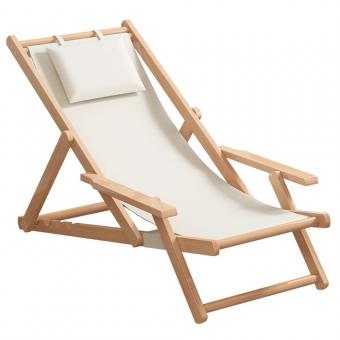
ブランド : 安徽省ファイステル工場 製造業の関連 : OEMとODM 製品 : このキャンプ用折りたたみ式木製ラウンジチェアは、頑丈なフレーム、人間工学に基づいたリクライニング デザイン、コンパクトな折りたたみ構造を特徴としており、ビーチ、キャンプ場、裏庭でのリラックスに最適です。
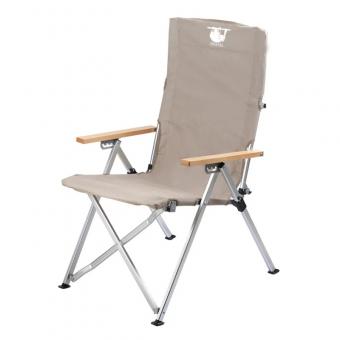
ブランド : 安徽省ファイステル工場 製造業の関連 : OEMとODM 製品 : この屋外用折りたたみアルミフレーム キャンプ チェアは、調節可能な背もたれと軽量ながらも丈夫なデザインが特徴で、キャンプ、ビーチ旅行、ピクニック、屋外でのリラックスに持ち運びやすく快適です。
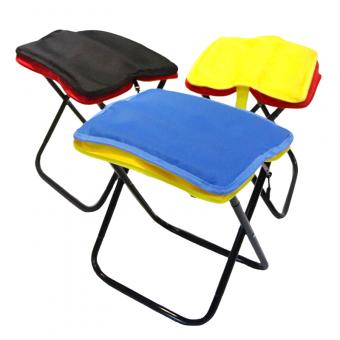
ブランド : 安徽省フェイステル工場 製造業と関連 : OEMとODM 製品 : ハイキング用バックパッキング ミニ スツールは、耐久性のあるオックスフォード生地の折りたたみ式デザインとクリエイティブなペンケース ポケットを組み合わせ、キャンプやアウトドア アドベンチャーに携帯性、快適性、実用性を提供します。
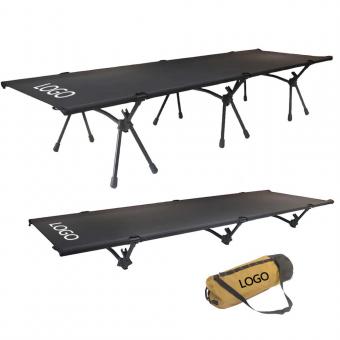
ブランド : 安徽省ファイステル工場 製造業の関連 : OEMとODM 製品 : 卸売ハイキング用品旅行用寝具は、高さ調節可能な折りたたみ式キャンプ用簡易ベッドで、頑丈なサポート、持ち運びやすさ、屋外での冒険に快適な休息を提供します。
ブランド: ANHUI FEISTEL FACTORY 関連製造業: OEM & ODM 製品:耐久性のあるフレーム、簡単なセットアップ、旅行に便利なキャリーバッグを備え、バックパッキングに最適な屋外用超軽量シングルコンパクトポータブル折りたたみキャンプベッドです。
接続を維持しましょう :