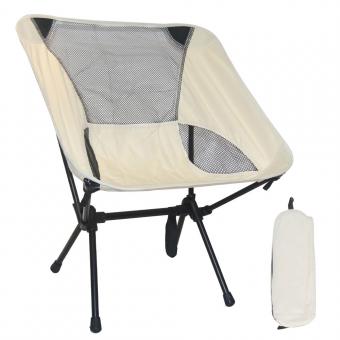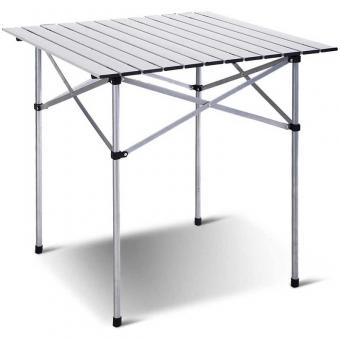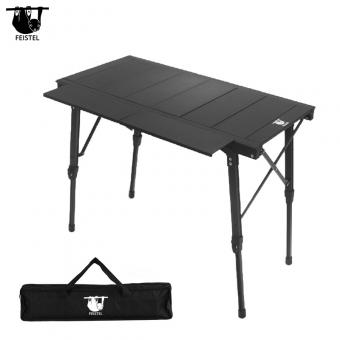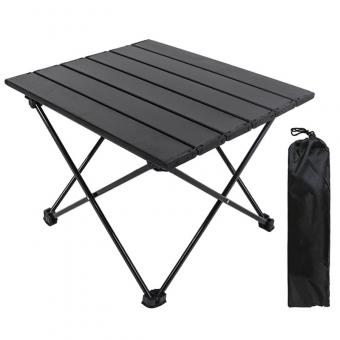
カスタム軽量メタルアイアン折りたたみ椅子アウトドアキャンプムーンチェア
ブランド : 安徽省ファイステル工場 製造業の関連 : OEMとODM 製品 : カスタム軽量メタルアイアン折りたたみ式ムーンチェアは、耐久性のあるサポートと快適さを提供し、屋外キャンプに最適で、持ち運びや保管が簡単なコンパクトでポータブルなデザインです。
ニール私たちのウェブサイトへようこそ!
もっと詳しく知る
Shoulder season camping—those magical windows in spring and autumn when summer crowds have vanished and nature puts on its most spectacular shows—offers some of the most rewarding outdoor experiences. The air carries that perfect crispness, trails feel like your own private escape, and campsites offer peaceful solitude that summer campers never experience . However, this transitional beauty comes with a unique challenge: temperatures that swing dramatically from warm afternoons to surprisingly cold nights. A single sleeping bag often proves inadequate for these conditions, leaving campers shivering or sweating with no comfortable middle ground. Enter the humble pocket blanket—a lightweight, packable solution that can transform your sleep system when layered strategically. This guide explores how to master the art of blanket layering for shoulder season camping, ensuring you stay warm without overheating, and comfortable without carrying excessive gear.
Shoulder season refers to the periods between peak and off-peak travel times—typically spring (April through early June) and autumn (September through October) in temperate regions . During these windows, you'll encounter milder daytime temperatures perfect for hiking, fewer bugs (goodbye, midges and wasps!), and significantly reduced campsite fees . However, the weather patterns become notoriously unpredictable. A sunny afternoon can plunge into near-freezing conditions by midnight, and spring showers or autumn cold snaps can arrive with little warning .
The fundamental challenge of shoulder season camping lies in temperature variation. Daytime highs might reach a comfortable 18-22°C (65-72°F), perfect for active pursuits. But once the sun sets, temperatures can plummet to 4-7°C (40-45°F) or even lower . Your summer-rated sleeping bag, designed for consistent overnight warmth, becomes inadequate. Conversely, a heavy winter bag leaves you sweating during mild evenings. This is where modular, layered approaches—borrowed from clothing systems—prove invaluable for your sleep setup .
A pocket blanket is exactly what it sounds like: a blanket designed to pack down small enough to fit in your pocket or stuff sack. Unlike heavy wool throws or bulky fleece blankets, quality pocket blankets utilize advanced materials to deliver warmth without weight. Most are constructed from lightweight synthetic fabrics—often nylon or polyester—with insulation properties that trap body heat while remaining highly compressible. When paired with reflective materials like those found in emergency blankets, they can dramatically boost your sleep system's warmth-to-weight ratio .
Traditional sleeping bags offer fixed insulation—you're either in the bag or out of it, with limited adjustment options. Blankets, however, provide flexibility. You can use them partially draped, fully covering, or combined with your existing sleeping bag in countless configurations. This adaptability matches the unpredictable nature of shoulder season weather, allowing you to fine-tune your warmth as conditions change throughout the night .
Understanding basic thermal physics helps explain why layering works. Your body loses heat through four mechanisms: conduction (direct contact with cold surfaces, like the ground), convection (heat carried away by moving air), radiation (infrared heat escaping into space), and evaporation (moisture carrying away heat) . A well-designed sleep system addresses each pathway. Ground insulation tackles conduction. Wind-blocking layers address convection. Reflective layers combat radiation. And breathable materials manage evaporation .
Still air is one of nature's best insulators. When you layer blankets correctly, you create multiple trapped air pockets between each layer. These pockets slow heat transfer dramatically. However, if you compress these air pockets—by using too many dense layers or lying directly on them—you lose their insulating value . This is why loft (thickness) matters, but so does the strategic spacing between layers.
Your first layer should sit directly against your sleeping bag or, in milder conditions, serve as your primary cover. For this role, choose a breathable, moisture-wicking blanket—ideally one made from or blended with natural fibers like merino wool or a wool-cotton blend. Wool's unique properties include absorbing up to 30% of its weight in moisture before feeling damp, and it generates gentle exothermic heat when damp . This layer manages the moisture your body produces during sleep, preventing that clammy feeling that leads to chilling later.
If you're using a pocket blanket made primarily from synthetic materials, ensure it has good moisture-wicking properties. Some campers find that adding a sleeping bag liner beneath the blanket enhances both warmth and moisture management .
The middle layer provides the bulk of your thermal protection. This is where your sleeping bag or a thicker insulating blanket comes into play. If you're combining a pocket blanket with a sleeping bag, place the pocket blanket over the bag, not underneath it. This allows the bag's loft to remain uncompressed while the blanket traps additional warm air above .
For those using multiple blankets, consider this principle: your mid-layer should have significant loft to create those crucial dead air spaces. Down blankets offer exceptional warmth-to-weight ratios but lose insulation when wet. Synthetic fills perform better in damp conditions—a significant consideration for shoulder season camping where moisture is common .
Here's where pocket blankets truly shine. Many lightweight blankets incorporate or can be paired with reflective materials similar to emergency space blankets. These reflective surfaces bounce radiated body heat back toward you rather than letting it escape into the cold night air .
To maximize this effect: place the reflective blanket as your outermost layer (or between your insulating layer and outer shell). The shiny side should face inward toward your body to reflect heat back. However, ensure this layer isn't directly against your skin or sleeping bag, as non-breathable reflective materials can trap moisture, leading to condensation problems . Create a small air gap between the reflective layer and your insulating layers to allow moisture vapor to escape while still reflecting heat .
A forum user experimenting with similar setups noted success using a mylar blanket as an outer layer over insulating materials, with proper spacing to prevent condensation—proving that even DIY approaches can work effectively .
The final layer serves a dual purpose: blocking convective heat loss (wind) and providing additional insulation. This could be a water-resistant outer blanket, a bivy sack, or even a well-designed tarp configuration that seals around your sleep area . The key is creating a barrier that stops moving air from stripping away your carefully trapped warmth.
If your pocket blanket lacks wind-resistant properties, consider how you might combine it with other gear. A military-style wool blanket can serve as an excellent outer layer in drier conditions, retaining insulating properties even when damp . For wetter environments, a waterproof but breathable shell layer proves invaluable.
No discussion of warmth is complete without addressing what's beneath you. The ground acts as a massive heat sink, drawing warmth from your body through conduction . Your sleeping pad is actually more critical than your top insulation in many situations.
When layering blankets, consider how they integrate with your pad. Tucking blankets under your body compresses their insulation, rendering them ineffective. Instead, ensure your sleeping pad provides sufficient R-value (insulation rating) for the conditions—aim for R-Value of 3 or above for shoulder season camping . Then arrange your blankets to drape over the sides, creating a cocoon effect that traps warmth without compression.
A modular sleep system approach—matching pad, bag, and blankets to conditions—offers the best performance for the least weight and packed volume .
Wool deserves special attention for shoulder season camping. Merino wool, with fiber diameters under 19.5 microns, provides next-to-skin softness without itchiness . It naturally wicks moisture, resists odors, and maintains insulating properties even when damp. The crimped structure of wool fibers creates resilient air pockets that resist compression—meaning your wool blanket continues insulating even under partial weight .
Cotton, while comfortable, performs poorly when wet and should generally be avoided for active camping use. However, cotton-canvas outer layers can provide excellent wind and weather resistance when kept dry .
Modern synthetic blankets offer impressive performance, particularly in wet conditions. Materials like PrimaLoft and other advanced insulations mimic down's loft while maintaining insulating value when damp. Fleece and pile blankets provide excellent warmth-to-weight ratios and dry quickly, making them ideal for moisture-prone environments .
Blankets incorporating or designed to pair with reflective metallized films (like space blankets) offer dramatic warmth boosts for minimal weight. These materials reflect up to 90% of radiated body heat back toward you . However, their lack of breathability requires careful management to prevent moisture buildup .
Backpacker magazine highlights seven life-saving techniques for space blankets, including using them as heat reflectors positioned to bounce fire warmth back toward you, or wrapping a hypothermic person "burrito-style" with the reflective side in as the outermost layer over warm clothing and sleeping bags .
For car camping or base camp situations where weight isn't critical, consider this three-layer system:
Base: Moisture-wicking sleeping bag liner or lightweight wool blanket against skin
Core: Your regular sleeping bag (rated for temperatures 5-10°C warmer than expected)
Outer: Reflective pocket blanket draped over the sleeping bag, with a water-resistant shell layer available for windy nights
This configuration allows easy adjustment—remove the reflective layer on milder nights, add it when temperatures drop unexpectedly.
For backpackers counting every gram, a minimalist system might include:
A lightweight sleeping quilt (saving weight compared to full bags)
A multifunctional pocket blanket with reflective properties
Strategic use of clothing layers as supplemental insulation
This modular approach lets you adapt to changing conditions without carrying dedicated gear for every possibility .
Sometimes you arrive at camp unprepared for the cold that actually arrives. In these situations, your pocket blanket becomes a critical survival tool. Use it to:
Add an emergency layer inside your sleeping bag
Adding too many dense, non-breathable layers traps moisture against your body. As humidity rises beneath the layers, your skin's natural cooling mechanism (evaporation) stalls, creating a clammy microclimate that feels suffocating . Always ensure at least your inner layer allows moisture vapor to escape.
Lying directly on top of blanket layers crushes their loft, eliminating dead air spaces and destroying insulating value. Keep insulation around you, not compressed under you .
Even the most sophisticated blanket system fails if you're losing heat through the ground. Invest in a sleeping pad with appropriate R-value for your conditions .
Some material combinations work against each other. For example, pairing a wool blanket with a polyester fleece can create "wicking competition" where both materials try to manage moisture, actually slowing evaporation . Natural fibers generally pair well together, as do synthetics with similar properties.
To ensure your pocket blanket performs when needed:
Store it loosely rolled or folded—never compressed long-term
Clean according to manufacturer instructions; wool requires gentle care
Check reflective coatings periodically for delamination
Keep blankets dry between uses; moisture degrades insulating properties
Shoulder season camping offers rewards that summer crowds never experience—solitude, vibrant natural displays, and a deeper connection with the outdoors . The key to enjoying these benefits lies in mastering variable conditions through intelligent gear choices. A pocket blanket, properly layered within your sleep system, transforms from simple accessory to essential tool. By understanding the science of heat loss, selecting complementary materials, and avoiding common mistakes, you can create a sleep system that adapts to whatever shoulder season throws at you. Whether you're watching mist rise off a lake with a cup of tea in hand, or listening to autumn rain from the comfort of your shelter, proper layering ensures you'll stay warm enough to savor every moment .
カテゴリ
ブランド : 安徽省ファイステル工場 製造業の関連 : OEMとODM 製品 : カスタム軽量メタルアイアン折りたたみ式ムーンチェアは、耐久性のあるサポートと快適さを提供し、屋外キャンプに最適で、持ち運びや保管が簡単なコンパクトでポータブルなデザインです。
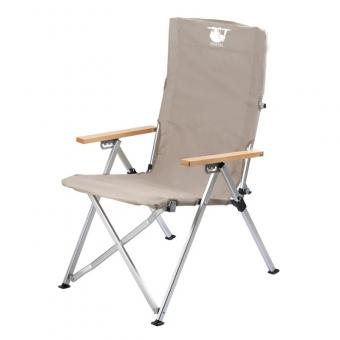
ブランド : 安徽省ファイステル工場 製造業の関連 : OEMとODM 製品 : この屋外用折りたたみアルミフレーム キャンプ チェアは、調節可能な背もたれと軽量ながらも丈夫なデザインが特徴で、キャンプ、ビーチ旅行、ピクニック、屋外でのリラックスに持ち運びやすく快適です。
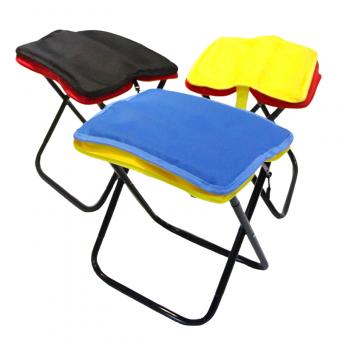
ブランド : 安徽省フェイステル工場 製造業と関連 : OEMとODM 製品 : ハイキング用バックパッキング ミニ スツールは、耐久性のあるオックスフォード生地の折りたたみ式デザインとクリエイティブなペンケース ポケットを組み合わせ、キャンプやアウトドア アドベンチャーに携帯性、快適性、実用性を提供します。
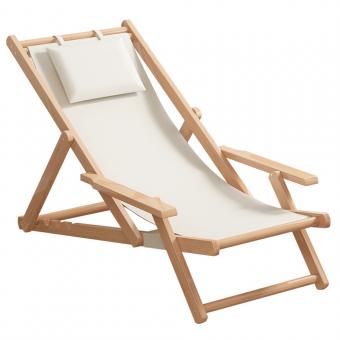
ブランド : 安徽省ファイステル工場 製造業の関連 : OEMとODM 製品 : このキャンプ用折りたたみ式木製ラウンジチェアは、頑丈なフレーム、人間工学に基づいたリクライニング デザイン、コンパクトな折りたたみ構造を特徴としており、ビーチ、キャンプ場、裏庭でのリラックスに最適です。
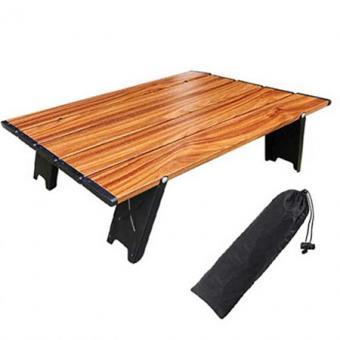
ブランド:安徽省FEISTEL FACTORY 関連製造: OEM & ODM 商品名:アウトドアに最適な軽量、小型、折りたたみ可能なピクニックテーブル。耐久性のある素材で作られており、持ち運びが簡単で、セットアップも簡単です。
ブランド:安徽省FEISTEL FACTORY 関連製造: OEM & ODM 商品名:キャンプやビーチ、アウトドアなどに最適な、コンパクトで軽量なアルミ製折りたたみテーブルです。持ち運びが簡単で丈夫なので、食べ物や飲み物を入れるのに最適です。
ブランド:安徽省FEISTEL FACTORY 関連製造: OEM & ODM 商品名:高さ調節可能な脚が付いた、多用途でポータブルな IGT BBQ キャンプテーブル。アウトドアクッキング、キャンプ、ピクニックなどに最適です。軽量で折りたたみ可能で持ち運びが簡単です。
ブランド:安徽省FEISTEL FACTORY 関連製造: OEM & ODM 製品:アウトドアポータブル折りたたみロールアップピクニックテーブル:高さ調節可能、セットアップが簡単、キャンプ、ピクニック、アウトドアアクティビティ用のコンパクトなキャリーバッグを備えた軽量で耐久性のあるアルミニウムデザイン。
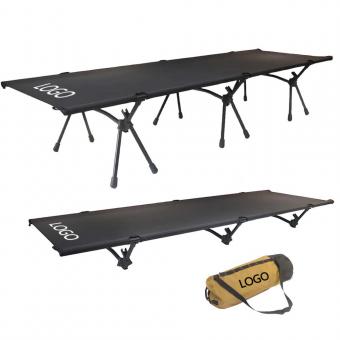
ブランド : 安徽省ファイステル工場 製造業の関連 : OEMとODM 製品 : 卸売ハイキング用品旅行用寝具は、高さ調節可能な折りたたみ式キャンプ用簡易ベッドで、頑丈なサポート、持ち運びやすさ、屋外での冒険に快適な休息を提供します。
ブランド: ANHUI FEISTEL FACTORY 関連製造業: OEM & ODM 製品:耐久性のあるフレーム、簡単なセットアップ、旅行に便利なキャリーバッグを備え、バックパッキングに最適な屋外用超軽量シングルコンパクトポータブル折りたたみキャンプベッドです。